
When it comes to the story of how I got into menswear, I always talk about the internet as my gateway into it. And no, it wasn’t about guides or trying to min-max my aesthetic. It was about fandom, tumblr, and cosplay.
As I’ve stated numerous times before, I didn’t have much of the typical “precedent” for wearing tailoring. My dad wasn’t particularly well dressed. I grew up Christian in a rather conservative denomination where we had to wear suits to church, but my one suit was fine (I shed it as soon as the service was over). In college, I wasn’t an intern nor did I have a job that required a button up shirt. I was a nerd with nerdy friends, so wearing blank clothes or even merch tees with fandoms emblazoned onto it was the way to go. The most “menswear” I got was a delving a bit into the hipster-tumblr nerd look consisting of patterned button ups and skinny jeans. At least until I got into the menswear fandom.
I say menswear fandom because it really was about being a fan of menswear, the clothes, the people wearing them, and by extension, the brands. In looking back, it’s clear that my participation in the space closely resembles how I participated in fandoms in the past. My fandom brain continues to inform how I enjoy menswear today.
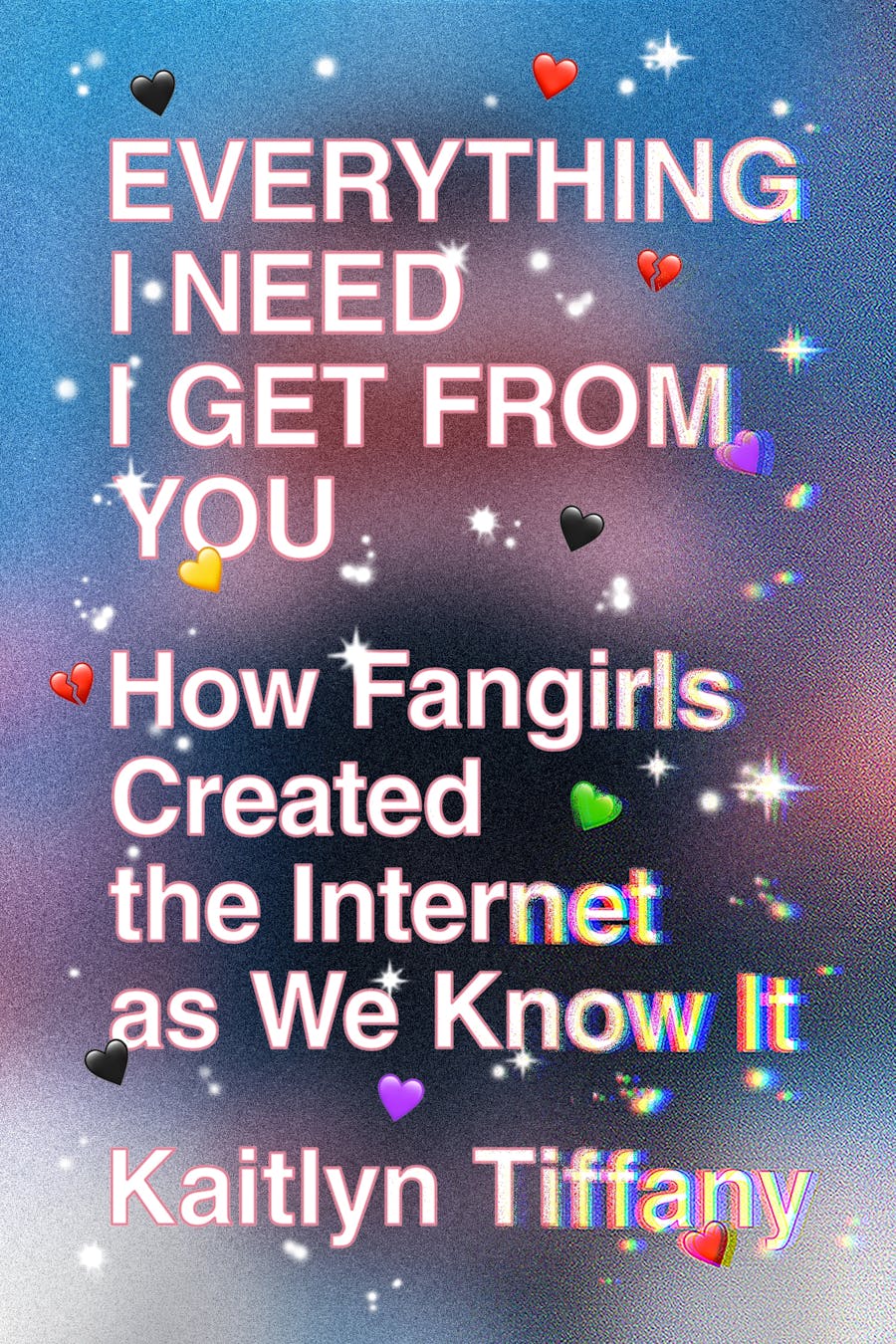
The reason why fandom is on my mind is because I just finished Everything I Need I Get From You: How Fangirls Created the Internet as We Know it by Kaitlyn Tiffany. As I’ve been on a “book about culture” kick, this felt like pertinent reading, especially as W. David Marx shared that he enjoyed it (talk about thought leaders in a niche space). I was especially intrigued because as I said, I find more camaraderie with fandom rather than pragmatism when it comes to my enjoyment of classic menswear.
The book is a great look into how fangirls and fandom helped shape the current landscape of the internet. Kaitlyn goes into different tenets of fandom such as fanfiction (transformative fandom), archiving (fandoms control history and what is remembered), memes (transformative and serves as in-joke for members), social justice (leveraging platforms of fans and the celebrities), toxicity (showing the power fandoms can have), and ultimately clarification (fans using identity to show that they are not a monolith). It all serves to show just how fangirls have really transformed what it means to be a “fan” of something nowadays as well as how the internet operates. As Tiffany posits at the end of the book, the internet is all about being a fan of something and actively participating in it. The fangirls have made that very clear.
Keep in mind that that book is done through the lens of One Direction stans, but for good reason: they are some of the most volatile, chaotic, and expansive communities that certainly served as the precursor to much of the fandoms we know today. It’s also one of the most commercialized fandoms, but it’s also not that straightforward. Through the course of the book 1D fans (and the fandoms after it) have ushered in a new age that is not simply based on consuming things from the IP; the fans have their own powers and say in how things are. And this is all due to how these fans participated in it, whether it’s through fanfics, memes, sheer size, and obviously the myriad of identities that make up the fandom.
I definitely recommend checking it out and getting insight into how the internet works in the fandom side. A few times, I was freaked out by the power of fangirls. But at others, I felt camaraderie because fangirls and fandom was definitely how I utilized the internet, especially when it came to menswear.


It goes without saying that my participation in menswear culture will not be a 1-to-1 comparison with 1D fandom, but I still think there are definitely a few similarities, at least when it comes to how the internet works and how I engaged with the content.
The fact that you can just come across an IP (or specific interest/topic) and instantly be hooked on it without any real precedent is a huge aspect of being in a fandom. Tiffany speaks about fans young and old who never liked boy bands who became hooked after they saw clips of the boys in their X-Factor days. That’s how it felt for me and menswear.
As I said earlier, I never had any sort of precedent with menswear. I didn’t watch old movies with my family nor did I have particularly trad menswear relatives or figures in my life. What I did have was the internet, which meant my tumblr dashboard occasionally reblogging illustrations, advertisements, and old photos. I saw people making gifs made of old movie stars, which was essentially like seeing fancams of Jimmy Stewart, Clark Gable, and George Raft instead of Harry Styles or the Winchester Brothers.
I got the influx of contemporary content during the release of Gatsby and Gangster Squad (as well as the tailend of the Mad Men hype). I’ve said before that these were certainly big influences for me to get into vintage menswear. But the fact that the internet (specifically tumblr) turned them into gifs and obscure photos to obsess over made the idea of menswear accessible to me, a tumblr guy.
Eventually real people made it onto my feed, showing that this stuff didn’t just exist in the past or in a movie. This was during the #menswear movement which brought together Pitti street shots, I Am Dandy portraits (from Natty Adams and Rose Calahan), a handful of influencers, and a bit later on, the iconic photography from The Armoury and hey-day Drake’s. It was definitely overstimulating, but I was into it.
Perhaps like those 1D fangirls, I saw something from this niche area of the internet that was alluring and different from the sterile and oft-repeated advice for men to dress like a grown up. It felt like there was actually something there for me.


Having all of this appear on my dashboard full of Sherlock illustrations and Marvel gifs really made it feel like there was a menswear fandom. In my eyes, #Menswear, its content, and it’s participants felt chaotic and obsessive, much like all the other fandoms I was a part of.
To be clear, I know that all of this menswear and vintage content was already there (as tumblr was already cordoned off into specific niches by the time I joined in 2010), but I’m also certain the rise of #menswear, Mad Men, and of course the flurry of vintage-themed blockbusters only helped push it into my feed (as well as into the general consciousness). Even though I still followed nerds, cosplayers, and gif makers, it was apparent that tailored menswear had captured their attention…and mine as well.
And when you got a fit pic from a blogger (no doubt to show that they, like their inspirations, wore tailoring), it almost felt like a #gpoy, #myface or #selca (basically a selfie) that you’d get from a traditionally anonymous tumblr fan blog. It made it clear that participation was not just an internet thing but an IRL thing. Wearing an OCBD and white socks + loafers was like repping your stan or at least a bit like cosplay (or disneybounding). Menswear was something that existed on the internet and was a tangible activity that anyone could do.
Ultimately, this was all just a way for me to be introduced to the non-pragmatic side of menswear. None of these guys (at least to my teenager eyes) were wearing a suit for a stuffy corporate job or to blend in. Obviously it was [literally] buttoned-up,but it still felt fun and a bit absurd at the same time. Most importantly, it lacked the “coolness” of streetwear. Menswear seemed to be about self-expression. All of it made for a very interesting introduction to a specific approach to classic (and vintage) menswear that was unlike anything I had seen before. For a Teenage Gentleman who previously made gifs of Star Wars and Disney movies, the menswear fandom was perfect for me.
And in true fangirl style, I made gifs of what I liked. Seriously.


Framing this whole menswear thing as participation in a fandom just makes sense. Most of you have heard this already.
As I’ve hinted before, the whole aspect of Cinematic Dressing is basically just my version of cosplaying or Disneybounding, just with a more abstract/esoteric theme instead of a specific person. On a similar note, having specific taste in patterns, items, and silhouettes was meant for me to display my genuine interest (fandom) of specific clothes, eras, and vibes. It was all fandom and not about being formal. I was just lucky that what I liked to wear was able to be worn in regular aspects of my life, even if I was teased a little bit (more so in my early days).
What Tiffany’s book has shown me is that perhaps my participation in it goes much further than the typical fandom acts of simple cosplay (showing basic participation) or obsessively archiving my favorite menswear photos (keeping the history and story alive).
Tiffany writes about the transformative nature of fandoms, which is usually relegated to the creation of memes and fanfiction.While memes certainly exist in menswear (and they’re often boring and bad), I believe that creating menswear content (writing about it, sharing thoughts) is a similar activity. It is a bit like rewriting history or inserting yourself directly into the story of the IP.
Criticism applies here too, as we all know the biggest fans feel the need to call out things they don’t like about the IP (whether it makes sense or not). I know I’ve done all of this, from doing my own histories/responses, calling out bad-faith arguments (or things that are cringy in the industry), and highlighting things I enjoy. But it’s clear that there is something deeper at play here.
That brings me to one of Tiffany’s final insights on fangirls, which is that much of the actions by groups within a fandom is about visibility and clarification.
She writes, “If Black women love One Direction too, then this is not just a white cultural artifact; if queer fans love them, then this is not just a cheap ploy to exploit heterosexual teenage hormones; if adults love them, then this is not just a phase that a person eventually grows out of”. Tiffany posits that fangirls, fandom, and the internet is about community, optimism, and representation. And that this passion can throw a wrench in what people typically expect, especially from a clear product of capitalism/commercialism. Perhaps this theme of visibility and clarification is what makes 1D, KPop, and the wide swath of fandoms so appealing.
It’s now clear to me that menswear had the same thing. Or at least, my vision of what menswear could be.


In looking back over what I reblogged and who I paid attention to, it’s proof that I felt some potential here. That the menswear space could be more than brand lookbooks, influencers, and old photographs. There was something that people could glean from and have fun with in their everyday lives, even if they weren’t attending an ivy league, going swing dancing, or working a corporate job. Menswear content (ugh, I know) didn’t have to just be infographics, Beau Brummel maxims, or hard rules on what is or isn’t formal enough. There was room for an expressive life in the same way that fangirls had transformed what it meant to be a fan of..well, anything.
Visibility and clarification definitely became the theme of my work. Much of it was (and still is) about wearing whatever we want to whatever we happened to be doing. We can wear white linen suits to get boba. Recounting these stories and pushing for others to try it naturally lead to introspecting on my experience, such as having friends/community or how fashion factors into my experience as an Asian American. Why is it that I can dress preppy without fear of being a WASP? What about money? Elitism? This was always about much more than just wearing clothes to not-be-naked or to adhere to a dress code. I wanted to share this experience in order to show that there was always another avenue to be obsessed with menswear. A push for fandom (and how we connect with the things we enjoy) was always going to make a deeper connection than just straight pragmatism. This message is much better “spread”, especially among the people who already have an experience with being in a fandom as well as having some sort of POV whenever they do something.
Obviously this is all rather silly. Like with all fandoms, being into menswear is just another form of consumerism that people cling to in order to craft their identities. Me being conscious of the vague similarities between otakus and non-ivy fans of ivy doesn’t change it from it being a capitalism based interest. But as Tiffany states in her book, the internet has changed what it means to be a fan. She pulls a quote from Daniel Cavicchi, who wrote about Bruce Springsteen fans: “fans conscious discussions of self making do not indicate that popular culture is shaping their identity but rather that they are shaping their identity with popular culture…The importance of fandom for personal identity is not so much about the discord caused by the mass media as it is about the order found in devotion”.
Cavicchi believed that people were using popular things to “become more completely themselves” and throughout her book, Tiffany adds to that by positing that the internet has only helped that endeavor by giving fans even more tools to get directly involved in that process.


Menswear has been given the same treatment. With each fitpic, silly in-or-out list, or event/hang coverage, we take menswear out of the hands of the stodgy rules and put the power to the people who love it. It’s silly and disingenuous to think of this as simply following trends or to think of things as a costume. In my experience, this whole fandom and hobby is about finding your taste and using it to express the person you’ve always wanted to be. It’s okay if it shifts slightly from day to day, but there is something here that is (or can be) deeper than blind consumerism. We have the power to shape what it means to be into menswear.
[EDIT 10/11/23: On a related note, I definitely think that my fandom background also helped me approach menswear in an open and egalitarian way. This is a contrast to other facets of new menswear who come from a skater, sneakerhead, or hypebeast background where gatekeeping and purposefully being a bit snobby was inherent to the culture. To give them credit, this is how they were able to protect their subculture and keep it free from poseurs. I do think this presents a problem with current menswear since this actively goes against my philosophy of making menswear be something cool that anyone can opt into. That’s why fandom is to blame. At least in my experiences, fandom has been positive and open about sharing what we like, since everything just gets better with friends. This is probably why my approach to menswear is different.]
Granted I am still a cishet man who has a lot of privilege. I don’t think my experiences will do much in the long run (plus each year I lose my novelty by getting older). Menswear needs further clarification and visbility for other marginalized communities. The good news, like always, is that other people are already (or more accurately, have been) adding to the fandom. The I Am Dandy series highlights many BIPOCs and queer people who love menswear, showing that anyone can be a part of this fandom. Laura writes about her experiences while making headway as a creative force in J. Press. Sarmilla shares her vibrant voice in the menswear world through her podcast, where she interviews some of the biggest players in the space. Regi does a similar thing with his podcast. And communities all over the world like Alfargos, the suit walks in Hong Kong and Vietnam, or even the story of how Japan saved American Style help clarify that anyone can be a part of the menswear fandom.
So while tailored clothing, vintage ties, and cordovan shoes can be an absurd thing to fangirl over, it is clear that this fandom means a lot to a lot of people. Participation and discussion factors directly our tastes in aesthetics, how we present and express our identity, and what we want the future of fashion to be. Fandom isn’t a connotation to avoid, it is something to embrace! In a world where pragmatism is less in vogue and expression lives more than ever (except in the case of influencers), fandom is what will keep menswear vibrant and alive..
Fandom is how I got into menswear! And I think that’s a good thing.


Thanks for reading! Don’t forget that you can support me (or the podcast) on Patreon to get some extra content and access to our exclusive Discord.
Always a pleasure,
Ethan
Big thank you to our top tier Patrons (the SaDCast Fanatics), Philip, Shane, Henrik, and Alexander.
 a little bit of rest
7 comments