
One of the reasons I love music and clothing is because both provide you an avenue for expressiveness & style. Both are quite similar for sure, but I do find a bit of difference between them, especially when analysis and application are concerned.
As I discussed in my previous blog post, discussing Style (to me) is about discerning the recognizable and usually consistent methods in which someone articulates expressiveness and their POV. I also find this topic to be heavily related to taste, as Style is an exercise in curating our knowledge and picking a technique or expression that makes the most “sense” to us. Stravinsky even said in a conversation with Robert Craft that technique “is the ability to transfer, ‘express’, or develop thoughts.” Of course, this just makes the whole topic incredibly nebulous and ultimately arbitrary, especially as he goes on to say that “more technique would not change the composer”. After all, this is not about who has more style than the other but about looking at what comprises style. That’s where it gets personal and much more interesting to talk about!
Being able to analyze Style in a specific and tangible way, while providing space for subjectivity and personal POV, is not only fun to do for others but to do for yourself as well. Doing it both ways is an invitation to know yourself and even be critical of the accuracy of your expression.
It can be as simple as being aware of what your favorite or most worn pieces are and what details can be found across them. But that’s just the surface. I like getting a bit deeper to see the relationships between garments and techniques in pairing them together. It’s all about getting to a deeper POV than just “likes to wear suits” or “tends to wear a western shirt”. When we get that far, our Style is more than just formality or an overt reference to participating in a subculture. Style can reveal the methods of how we express abstract and emotional connections, as well as how we see nuances in the relationships between details and aesthetics. It’s especially interesting when those methods keep arising as a consistent technique throughout our “work”.
And what better way to explore that topic again than by looking at music (again) and analyzing a specific technique that John Williams uses when scoring stressful situations or characterizing antagonists. It’s simple, but definitely recognizable once you know what to listen for!
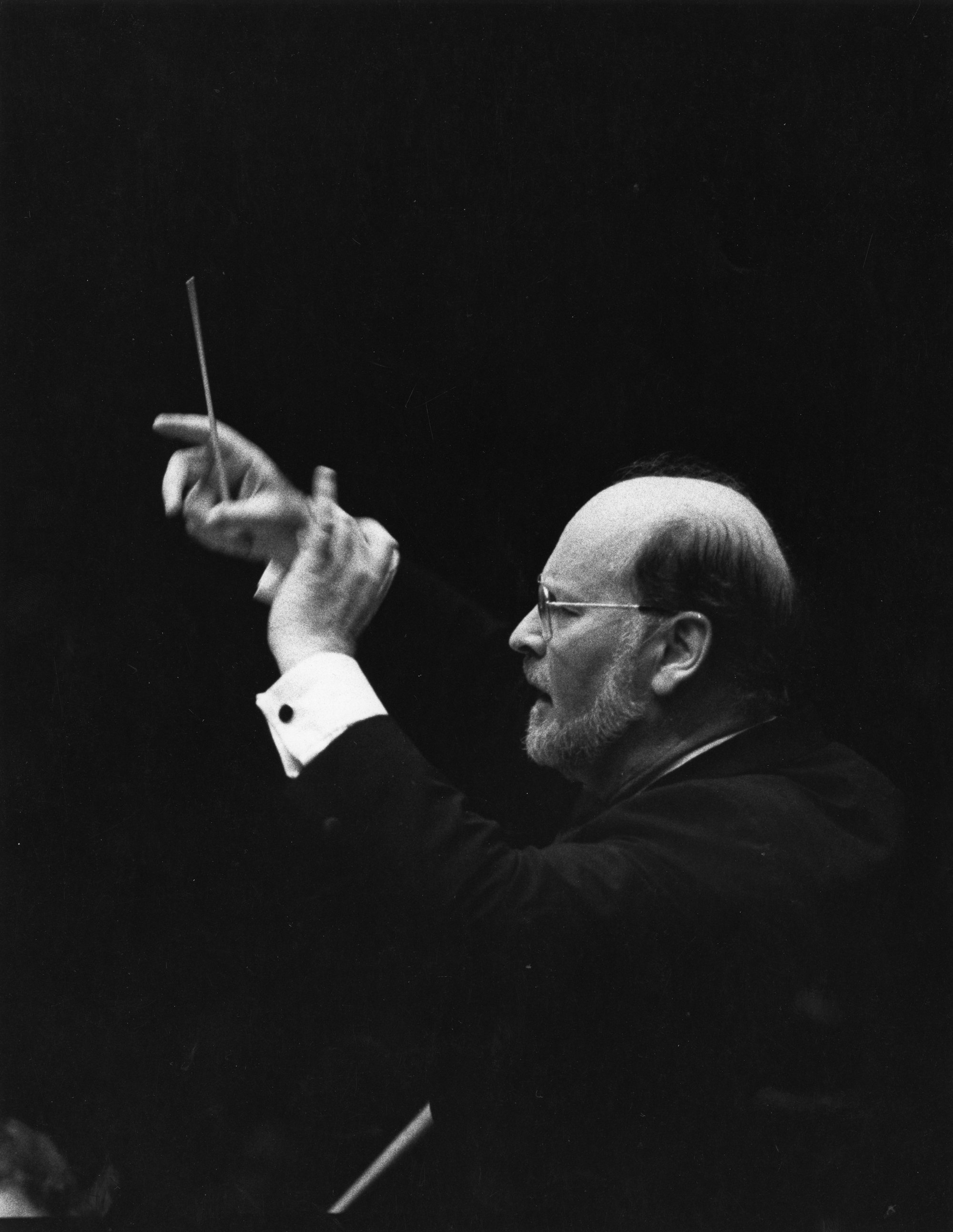
Simply put, John Williams uses variations of a Chromatic Figure to score danger . But before I get into the nitty gritty, I first need to share broad strokes of music theory. Keep in mind that I am not classically trained so my overview may not be technically correct, but please bear with me!
As you are no doubt aware, there are so many modes and note combinations available to a composer, which is why I find it fascinating to see how people express things when creating music. Like menswear, much of the vibes in music come from established techniques and references to historical works. Some of it is just “you know it when you hear it”, such as how major chords and scales sound “happy” and minor ones sound sad or evil.
Even though some might argue otherwise, I do not believe this is not just by random or arbitrary chance. Music is built on harmonies (the relationships between notes) and certain combinations are more “stable” or “unstable” than others. As a result, the tones found in a minor scale/chord are more dissonant (unstable) than the ones found in major ones. This then makes it easier to leverage when expressing negative emotions or vibes in composing.
One famous use of the minor scale is found in the Dies Irae (Day of Wrath) sequence of the Requiem mass. It’s a long descending line that bumps around the minor keys, but it’s the first four notes that I’m most concerned with. That short iconic phrase (Di-es Ir-ae) has now become a musical short hand for danger, with many composers simply copying and pasting it across their scores. While the line does a good job at having a “negative” melodic contour, the use of the Dies Irae tends to function on reference and association to the “Day of Wrath”. It’s shallow, much like how someone says that they’re casual because their jacket has patch pockets.
Thankfully composers do more than that when scoring Danger. One example would be to use chromatic elements, which are notes not found in a straightforward eight-note minor scale. Put simply, this would be like using a piano’s black keys heavily for a song written in C. Those notes are the semitones, which put simply, are the tones in between those eight notes. Specifically, a semitone is a half step above or below a given note. Major/minor scales are made up of mostly whole steps, which is why they are more stable and straightforward. And because chromaticism utilizes these in-between notes, there is a lot of complexity in lines or melodies that incorporate it.
In jazz, these “accidentals” (another slang term for chromatic use) are quite commonplace, as you can hear them in long scalar runs or to effectively “slide” into the next note. It makes the music interesting and certainly very cool. But to go back to the topic, I’m much more interested in how this is used to express danger, stress, and evil.
And when it comes to John Williams, the use of chromatic figures is definitively a tentpole part of his Style. It’s also deeper than just saying he likes a classic orchestral sound. This is specific.

Transcription taken from the Potter Scoring Project
What I love about John Williams is that while his work is certainly more complicated than a typical film composer, he has recognizable and consistent techniques that comprise his style; as a result, it makes it easier to understand. His use of responses and interjections in between main melodies is a great example of a typical Williams-ism. And so is his chromatic danger/evil idea! It’s actually rather simple, as my crude video above shows, but highly effective.
When composing for evil/danger, Williams uses a Chromatic Figure which starts at a given note, goes up a semitone then goes down the semitone below the initial note. This [usually] three note run is iconic and found in a lot of Williams’s tension scores, especially in the past 20 years. When started on a 5th, the final note of the Figure brings the tritone to mind. The tritone is also known as the Devil’s Interval due to how unusual it sounds when unresolved, or when this note does not go anywhere else. The listener is forced to sit there with an uneasy feeling of tension, which makes it perfect to use for danger or evil.
You’ll notice that instead of invoking a tritone chord right away, Williams creates a short melody as he chromatically slinks around with this Figure. This makes whatever he’s scoring feel creepy and despicable or even surprising and suspenseful, depending on how he uses it. And believe me, he uses it a lot and in multiple variations.
It’s a lot like Forced Versatility. There are other ways to do unsettling things in music, but Williams clearly likes this technique and has stuck with it. The Chromatic Figure is a part of his DNA.
Let’s take a deeper look at some of my favorite examples!
“Pettigrew Motif” from The Prisoner of Azkaban
Williams’s theme for Peter Pettigrew in The Prisoner of Azkaban is the ultimate version of this technique due to how simple and effective it is. As you can see in the above image, the theme is a repetitive 9-note figure that ends with the chromatic Danger figure.
While not exactly a tritone, as there is no pedal note to relate to, it definitely creates tension and instability. That feeling is only exacerbated by the instrument choice: a solo harpsichord. The instrument’s particular timbre only adds to the unnerving and mysterious air of the theme. Since this meant to represent a traitorous man thought long dead, I believe this absolutely fits the character well. If you watch the film, it’s also used to underscore elements surrounding Pettigrew, turning it into a bit of a theme for the conspiracy of the Potter’s death.
For the purposes of this blog post, it is Williams Chromatic Figure used as “Danger” in its simplest form, so be sure to remember it!
“Voller’s Theme” from Indiana Jones & The Dial of Destiny
For the villains in Indiana Jones’s [mediocre] last adventure, Williams makes another heavy use of his favorite Danger Figure. And you can definitely hear multiple variations pop up in multiple in the suite above at 1:42-3:36. If you want specifics examples of the Figure as the Voller/Nazi theme, use the timestamps below:
- 1:49-1:53
- Played by a muted trumpet and repeated twice.
- 1:56-2:02
- Strings climb up and up until doing a shortened version of the figure (aka less in between notes than the trumpet example), creating a tritone.
- 2:25-2:29
- Trumpets again acting as a bit of an evil fanfare.
- 2:58-3:12
- Slow version of the theme that uses chromatic figures all around as it climbs higher.
- 3:13-3:36
- Fast version of the theme that also utilizes brass interjections of the same idea as an accent before ultimately ending with an explosive version of the Chromatic Figure.
While it is very similar to Pettigrew, this theme actually gets a lot more transformations and breathing room. The Voller/Nazis theme feels like it sneaks around as Williams takes care to orchestrate it with strings and woodwinds to expressively echo the “physical contour” of the chromatic figure. And because there is more accompaniment in these examples, the tritone quality of the Chromatic Figure is further emphasized, resulting in even more suspense and unease in addition to its inherent sinister nature. This makes sense to play up the conspiracy vibe as the Nazis are undercover (it’s not subtle) during the setting of the film.
In other scenes such as the opening train sequence or the airport scene, Williams gets to play up the bombast by adding in more strings and brass as needed, showing that this theme is pliable and doesn’t need to be repeated in the same way every time. Just listen to the examples below that feature Voller’s Theme:
Plays during the action prologue where Indy fights Nazis on a train.
- 1:10-1:11: Quick variation.
- 1:31-1:35: Evil fanfare variation.
- 1:52: Action interjection, not be thematic but similar.
Underscores Voller’s interview with an unsuspecting reporter.
- 1:38-2:36
- The section from 1:38-2:18 has an overall sinister vibes as the chromatic figure is traded between low strings and muted brass.
- It then leads to the climbing version from the Suite.
Plays when Indy and Helena’s diving boat are boarded by Voller and his goons.
- 2:08-2:11
- Quick variation played by brass.
- 2:21-2:26
- Full theme.
This cue plays when the Nazis reveal their grand plan to return to the past (ugh). As such, this cue has multiple variations of Voller’s Theme which in turn allows Williams to have some fun with Chromatic Figure. Note the differences in the time stamps below.
- 0:42-0:58, 1:07-1:11: Straight forward use, similar to Voller’s Return.
- 1:47-2:06: Strings play a shorthand of the Chromatic Figure while the muted trumpets play the Voller theme.
- 2:06-2:25: Vamping, militaristic version of the Voller theme.
- 2:27-2:46: Low strings play Helena’s Theme twice but each time, instead of resolving normally it turns into the Chromatic Figure, hinting that she may be captured by Voller.
- 2:47-3:11: Another militaristic variation of Voller’s theme.
- 3:24-4:04: Use of Voller/Chromatic figure that rises and rises to build tension as the plane takes off.
It’s also interesting to note that this Nazi theme is quite different than the one he wrote for The Last Crusade, which is incredibly campy. That being said, the TLC Nazi theme also uses a similar chromatic figure right at the end of the melodic phrase. The effect is different than the one for TDOD.
“Danger Interjections” from The Last Jedi
It’s time for something a little different!. Instead of using the Chromatic Figure as a specific theme for a character or idea, Williams uses it as a Response to accent to underscore stressful situations during action pieces. You’ll hear brass play variations of Chromatic Figure in between larger melodic lines or as transitions between sections of music. Again, it’s not overtly thematic but it certainly adds an anxious vibe to the scene. It’s quick and rhythmic, almost echoing laser blasts or frantic calls for help during a battle.
TLJ isn’t the only film where Williams uses this type of interjection, but it happens at many times throughout the score. I wouldn’t call it a copy and paste but rather just an example of how Williams incorporates this Danger figure naturally in his overall compositional style.
Here are timestamps just from the above cue!
- 1:36-1:40
- Chromatic Figure as brass interjection for transition
- 2:25-2:26
- Hard to hear, but it’s the lower horns (not trumpets) that does a Chromatic Figure to add color to the evil fanfare.
- 3:13-3:18
- Strings and brass trade the Chromatic Figure around to create a stressful feeling.
- 5:05-5:08
- Chromatic Figure traded among instruments as transition
- 9:18-9:21
- Two chord progression that sounds similar to Chromatic Figure for suspense.
- 9:54-10:01
- Starts as a fanfare then ends as a brass interjection similar to the one at 1:36.
- 10:04-10:06
- Chromatic shorthand as two notes, ending in a lingering tritone.
Anderton’s Great Escape from Minority Report
The above cue from Minority Report is another great example of how Williams uses multiple variations of the Chromatic Figure for action and suspense. The complicated sliding and falling nature of chromaticism is expertly used here, adding to the chaos of Anderton trying to escape the police. There are so many uses in here that I may have missed a few, but here’s what I could catch.
- 0:13-0:18
- 0:27-0:37: Trumpet interjections that bounce around.
- 0:42-0:45: Quick glisses of the Chromatic Figure in harmonized trumpet and horn. Sounds like someone is falling!
- 0:46-1:02: Chromatic Figure is traded between woodwinds/xylo and trumpet
- 2:45-3:00, 3:13-3:31: Two sections that are similar
- 4:08-4:32: Lengthy section that trades the Chromatic Figure in different keys.
- 4:50-5:00
- 5:15-5:23: Particularly stressful use, emphasized by percussion
- 5:28-5:37: Straightforward and long version the three-note Chromatic Figure.
“The Unicorn Theme” from The Adventures of Tintin
For my last in-depth example, let’s look at how Williams represents The Unicorn, the treasure laden McGuffin-ship from Spielberg’s take on Tintin. The theme is is from 0:00-0:24 and 0:35-0:49, but the Figure specifically pops up 0:08-0:09 and 0:37-0:41.
It’s a straightforward minor-key melody that is played in an almost noir-like fashion, mostly due to the low flute and sax. The theme uses the Danger Figure at the end of its first statement, providing an uneasy and unresolved feeling. However, Williams takes care to repeat melody a second time, which then properly resolves at a higher note.
This is interesting to me as the theme does present Danger and Mystery (as people are indeed murdered as they search for the ship), but it doesn’t linger on the tritone as the other examples have. Instead, we get a proper resolution! The use of the Chromatic Figure in the middle of the theme effectively adds character and complexity to the musical identity of the Unicorn. But even though it’s in the middle, the Chromatic Figure is still a recognizable part of the theme, which is why Williams is able to simply use it as musical shorthand for the fuller Unicorn theme.
Here are more examples of the Unicorn Theme found in the score.
- 1:50-2:01: Mysterious version of Unicorn Theme played by french horn.
Sir Francis and The Unicorn is an action cue that shows the Unicorn (the ship) in battle against pirates.
- 1:02-1:56
- The full version of the Unicorn theme, going from the original noir treatment to a triumphant variation.
- 2:02-2:08
- Unicorn fragment played by flute that ends on the tritone, providing a sense of unease.
- 2:55-3:04, 3:40-3:49
- Triumphant version of Unicorn Theme.
- 4:38-4:42
- Chromatic Figure, used as a shorthand for the Unicorn Theme.
Another action cue that references the pirate battle as well as undercores a struggle between the characters to get the treasure.
- 1:28-1:30
- Chromatic Figure as Unicorn shorthand played by strings.
- 1:48-1:52
- Chromatic Figure as Unicorn shorthand played by low brass,
- 2:44-2:47
- Chromatic Figure as Unicorn Shorthand played by harmonizing woodwinds,
If the above examples don’t show you how much Williams likes using this Chromatic Figure technique to represent Danger/ Evil, don’t worry— I’ve included a longer list below.
Overall, it’s just incredible how he uses a simple musical technique idea in different ways, each effective to the mood he wants to elicit. He might put it at the end of a straightforward theme for a bad guy theme or something abstract like a negative emotion or vibe. Sometimes it’s used inside of an existing melody to create a slinking feeling within that larger theme. Or perhaps it’s used much more simply, like as a repeated ostinato (repeated and rhythmic melody) or as a brass interaction in anxious situations. Once you hear it, you’ll never be able to unhear it! I often find myself humming his many variations of this idea whenever I walk around.
The fact that there are variations of its use is a testament to why I love John Williams as a composer. He not only understands the “physical” contour that chromaticism employs, but he also enjoys the technique. As I said earlier, I consider this a form of Forced Versatility and certainly a big part of his overall style.
To be clear, John Williams isn’t the only composer to have a consistent approach to Danger/Evil but his use does stand out to me. I say that because the late James Horner also relied on a Danger motif that pops up in a majority of his scores. But like the Dies Irae problem, the musical expression of “danger” comes through copy and pasting a reference.
As you can see hear in the above video, Horner reduces technique into a concrete melody that is meant to be copied and pasted as needed. To me, this makes Horner’s style come across as referential and ultimately shallow, instead of a style that exercises the possibilities of expression through musical technique. Add in the fact that it’s also a clear lift from Rachmaninoff and Prokofiev (read the comments in the video) and it becomes just less impressive. Just imagine if John Williams pasted his two-note theme from Jaws into any future films whenever something bad happens. While that may not be “bad” per se (and I know this whole thing isn’t about whether or not someone has more style than the other), I don’t think its wrong to per something a little bit deeper. Maybe I’m just a hypocrite after all!
My hope is that this blog functions as another invitation to think more deeply about what style means to you. It’s not simply about what you copy and paste, but about being aware of the guiding techniques that define our overall approach to getting dressed. John Williams’s repeated use of chromaticism shows that he understands the relationship between notes and that intentional combinations are effective at expressing certain vibes and emotions. And even though it’s consistent, it’s also done fresh each time, done to fit a specific context or POV.
We can certainly do the same with our clothes, both in the details they contain and the way we pair them with other items in our wardrobe. The hope is that our style is more than just “wearing chinos to be casual”. There is more than just the surface level. We can leverage silhouette, collar lengths, softness, structure, fabrics, and more! It’s more than just copying and pasting but being in tune with the relationships between details and between garments. There is always a reason why outfits can across as slouchy, artistic, or edgy, even if the techniques are nuanced.
This is an invitation for us to leverage chromaticism in our wardrobes and to be cognizant of the subtle techniques that make up our stylistic DNA.
Now enjoy more musical examples!
From John Williams
- The second phrase of the Emperor’s Theme ends in a tritone (and calls to mind the Chromatic Figure), as heard at 0:45-0:52 above.
- 6:43-6:55: The orchestra trades and climbs using the Chromatic Figure to heighten tension.
- 9:35-9:39
- Count Dooku’s simple but effective theme, heard from 0:00-0:22 above, incorporates the Chromatic Figure as the main feature, making it similar to Pettigrew or Voller. This makes sense considering the conspiratorial vibes from all the characters.
- General Grievous’s theme uses a Chromatic figure in the middle of his theme, adding to his slithery nature.
- Isolated theme above with the chromatic figure incorporated right at 0:05-0:09.
- Expanded in THIS cue played by high brass at 0:45-0:50
- There’s also a non-thematic use at 1:27-1:31
- 2:05-2:07
- I Am the Senate is An action filled cue with many uses of the Chromatic Figure to signal danger and tension
- 0:22-0:29: Chromatic Figure in low brass.
- 1:01-1:03: Chromatic Figure brass interjection.
- 1:25-1:28: Chromatic Figure brass run with harmony.
- 1:33-1:37, 1:43-45: Chromatic Figure brass interjection placed against the Emperor’s Theme.
- 1:54-1:56: Another brass interjection. Note that it’s started by low brass but answered by the trumpets, making for an interesting feeling.
- 2:14- 2:22: Dark fanfare of sorts that does the tritone chord at 2:18 before returning to “center”. Interesting use!
- 1:37-1:43: A mysterious, non-thematic variation of the Figure played by the brass.
- 2:04-2:10: Horns play the Figure as a Call which is then interjected by trumpet stabs that also play the Figure.
- 3:15-3:26: A fast, repetitive Figure similar to Pettigrew played by the trumpets in between a pounding brass rhythm.
- 4:19-4:33, 4:47-4:53: Chromatic Figure by the trumpet interjected between statements of Kylo Ren’s theme.
- 6:03-6:19: A rising melody that utilizes the reverse of the Chromatic figure, as it goes up instead of down. The short melody ultimately ends with a proper statement of the Chromatic Figure.
- 1:02-1:03: Quick brass interjection
- 1:20-1:21: Low brass interjection as transition
- 1:26-1:29: Fast brass interjection
- 1:03-1:10: Various brass lines that play with the Chromatic Figure.
- 3:13-3:18: Chromatic Figure played by fast high strings before quickly trading to low strings and brass.
- 6:35-6:36: Chromatic Figure as fast chord interjections to accent the longer, dramatic melody line.
- 2:15-2:22: Rhythmic action motif that ends in a similar way to the Chromatic Figure, hinting at a thematic link between the two ideas.
- 2:45-2:53: Not the Unicorn theme, but the use of a Chromatic Figure (played by low strings) as a transition piece between sections as well as a Response to the brass.
- 2:15-2:17: Non-thematic Danger interjection by brass.
- 3:49-3:50: Non-thematic Danger interjection by brass.
- 4:11-4:13: Non-thematic Danger interjection by the timpani!
- 0:00-0:02: Non-thematic but used as the “theme” of the cue to provide danger.
- 0:54-0:55: Variation of above, but more of a “swell”.
- 2:02-3:30: Low strings play the Chromatic Figure as an ostinato, which builds until the end of the cue.
- Trumpet runs of the Figure are interjected throughout to add to the tension.
- Brass interjections throughout
- 0:00
- 0:13-0:16: Fast trumpets
- 0:28-0:32: Low brass
- 1:32-1:35: Trumpet interjections
- 1:50-1:53: Brass interjections
- 0:36-50, 2:04-2:17: Chromatic Figure played by solo trumpet, almost like a creepy version of Taps.
- 0:00-0:18: Non-thematic use as a rhythmic device for anxious scene.
- 0:06-0:10: Trumpets do a repetitive, rhythmic version of the Figure which is then echoed by a staccato accent variation by the woodwinds/glock. These techniques are found throughout the entire cue. Notable instances:
- 0:22
- 0:28
- 0:44-0:48
- 0:59-1:25
- 1:39-1:55
- This whole cue is almost entirely driven by the Chromatic Figure, appropriately done up in a Flight of the Bumblebees way. There are also some non-thematic statements as well, used to accent the action and drama:
- 0:12-0:19: The horns do Chromatic Figure runs
- 0:23-0:26: Trumpets echo the horns and then do a proper Chromatic Figure as staccato.
- 0:45-0:56: String stabs climb using notes in the Chromatic Figure while staccato woodwinds and xylophone accent it as a Response.
- 1:18-1:20: Chromatic Figure as rumbles in timpani and low brass.
- 2:00-2:13: Brass play the Russian theme while the Timpani/Piano play the Chromatic Figure as a Response.
- 2:15-2:20: Brass play and trade a staggered version of the Chromatic Figure to feel clunky and unsure.
- 2:49-2:57: Woodwinds/Xylo play the Figure as accents before harmonized low brass do their turn, first as a grander statement before doing the short version twice.
- 2:59-3:14: The Chromatic Figure takes center stage here, being played by brass in unision.
- A cue full of Chromatic Figures to heighten tension and accent action.
- 0:18-0:26
- 0:45-0:56 – I like this one because of how its full of trading/call-response.
- 1:46-1:55
- 0:00-0:14: Non-thematic use as string and brass interjections
- 0:26-0:29: Non-thematic use as climbing device to heighten danger
- 1:14-1:19: Non-thematic use for danger
- 2:02-2:06, 2:11-2:13: Non-thematic brass interjection use for danger.
- Hedwig’s Theme uses the Chromatic Figure a few times within its larger melody. While not sinister, it adds a sense of mystery and uncertainty before it resolves.
- 0:11-0:15, 0:20-0:22, 0:29-0:33
- 0:56-1:00, 1:02-1:08, 1:12-1:17.
- The Stone: A simple, mysterious theme that is a straightforward use of the Chromatic Figure in its full glory.
- Voldemort: An evil theme broken up into two parts. Motif A (as labeled in the video) makes heavy use of it.
- 0:36-0:49: Utilizes the Chromatic Figure as the main part of the melody. It moves around giving it a slinking feeling, almost like a snake.
- The Face of Voldemort: A climactic cue that brings together different motifs.
- 0:32-0:43: A building use of the Stone Motif for suspense.
- 1:25-1:31: Low brass playing a menacing version of Voldemort Motif A.
- 3:58- 4:13: Stone Motif again.
- 4:17-4:33
- Quidditch, Third Year: A lot of this is built on the Chromatic Figure as well as the Dies Irae.
- 0:15-0:23 by the brass
- 1:30-1:40, an epic statement.
- 2:23-2:34
- 3:15-3:20
- The Werewolf Scene: Various moments of danger and suspense.
- 0:43-0:51
- 2:11-2:12
- 2:40-2:49
- High-Wire Stunts: Scored as Tim and Lex climb the electric fence.
- 1:55-2:09: Various Chromatic Figure stabs that end with strings doing a “light” or “falling” version.
- 2:20-2:31: Chromatic Figure as string ostinati with brass interjections.
- T-Rex Rescue & Finale: Plays as Alan, Ellie, and the Kids run from the raptors in the JP Visitor Center.
- 2:14- 2:20: Brass interjections playing various Chromatic Figures.
- 2:41-2:55, 3:06-3:18: Frantic Chromatic Figure runs in woodwinds.
- 4:15-4:49, 5:18-5:29, 5:46-5:51, 6:36-7:02: Various examples of the Chromatic Figure by brass, usually by interjection/accent.
- Rescuing Sarah (Extended): Plays as Eddie struggles to save Ian and Sarah from the fallen RV.
- 1:15-1:22: Big stabs utilizing the Chromatic Figure.
- 1:28-1:37: Brass taking turns playing different Chromatic Figures.
- The Hunt: Unfortunately cut from the final fun but would have underscored when InGen corrals up dinos.
- 1:34-1:46: Trumpet stabs
- Plays when Ian and Sarah run from raptors.
- 2:15-2:21: An almost jazz-esque run by muted trumpet.
- The Wet Bandit Theme: Like the theme for General Grievous, the theme for Kevin’s antagonists uses a Chromatic Figure incorporated into the melody which plays into their conniving and silly character each time it appears.
- Full theme is found above from 2:05-2:26, but the Chromatic Figure is specifically found at 2:09, 2:16, and 2:23.
- Follow That Kid!: Plays as the Wet Bandits figure out that Kevin might be home alone, so they follow him in the street.
- 0:40-0:56, 1:02-1:16: Non-thematic use of the Chromatic Figure as the rhythmic bones to the cue, repeating it over and over and adding instruments to build tension.
- 1:26-1:34: Slow version played by brass.
- 5:10-5:14: A dangerous rhythm (meant to represent the government agents) rises until ending with a two-note Chromatic Short hand (danger!) that transitions to a majestic melody for the spaceship’s take off.
From Me
- Return of Tylar: This cue features a theme I call “Tyler’s Power”, written for a villain I made in high school that based on Sylar. The theme utilizes the Chromatic Figure and the tritone and functions to announce his presence as a harbinger of doom.
- 0:22-0:28 – Played by the brass
- 1:31-1:40 – Played by high horns against a low, repeated brass notes.
- 1:43-2:00 – Tylar’s Power Theme and the Chromatic Figure played in full glory.
- The Crystal of Infinite Power: A scene where the Heroes find a Crystal that enhances abilities…only for it to be taken by Tylar.
- 3:20-3:30 – Similar to 0:22 above, the brass plays the Chromatic Figure to give the main melody an uneasy feel.
- 3:33-3:44- Tylar’s Power Theme
- The Flight of the Dirigibles, a musical story about a steampunk race, uses the Chromatic Fanfare in the Villain Theme as well as a general reference to danger.
- 0:50-0:55, 2:01-2:11 – Danger
- 2:26-3:06 – Villain Theme
- My Desperado Theme, written for a Bond parody video, includes the Chromatic Figure in it’s structure, similar to the Wet Bandits. The full melody starts at 0:40 but the Figure itself appears at 0:53.
- The Chase Through the Fair is another musical story about school kids who stumble on a treasure map at school. In true John Williams fashion, uses variations of the Chromatic Figure to exhibit danger/suspense as well as serve as the main motif of the chase.
- 0:11
- 0:41-0:42
- 1:20-1:29
- 2:18-2:24
- 2:38-2:40
- 1:14-1:20, 2:12-2:17, 3:15-3:21 – Chromatic Figure as the main theme of the cue
- Isabel’s Theme has a few moments that leverage the Chromatic Figure. Since the piece inherently utilizes chromatic movement, it doesn’t necessarily represent danger, but rather silliness and a bit of action.
- 0:10-0:18
- 1:32-1:53
- 2:13-2:24
Thanks for reading! Don’t forget that you can support me (or the podcast) on Patreon to get some extra content and access to our exclusive Discord.
Always a pleasure,
Ethan M. Wong (follow me on IG)
Big thank you to our top tier Patrons (the SaDCast Fanatics), Philip, Shane, Henrik, and Alexander.
 a little bit of rest
2 comments