
This is a recap-ish of the latest podcast episode. You can listen to the episode below before or after you read. That’s because I tend to expand on topics from the pod as well as straight-up write about things that we did not discuss. The choice is yours in how you want to proceed!
Good afternoon, my friends! Actually, I’m not sure what time it is where you are, but I did start writing this blog post around 5 PM, so my greeting applies to myself…somehow. Give me a break; I’m old now—thirty-one!
Yes, my birthday was a few weeks ago. I have no knowledge to share other than that it is very true that as you get older, your metabolism slows, making it difficult to fit into the custom suits that you’ve commissioned years ago, and that your alcohol tolerance decreases; you will definitely notice both of those things happening to you. I’ve always been a bit of a lightweight, but I swear, I’ve imbibed more at previous birthday celebrations. This time, I was already feeling it after only having one cocktail, two shots (tequila and amaro-ish), and a quarter of a Negroni (is that a lot?). I don’t even want to get into what I consumed at the actual party, which was a week after the formal day of my birth. Alas, I must continue the tradition that I started during quarantine all those months ago, where I cover the attire I chose to celebrate another year around the sun. It won’t take up the entire blog post, as there are other things I want to talk about, but I’ve just gotta do it!

[Also, we talk about some other stuff in the podcast above: Spencer bought “Gorilla Cut” chinos from Ben Davis (his first cotton-poly pant) and MJ talks about embracing shorts season (something that makes sense when it’s hot).]
Last year was a big hullabaloo. I did something each week in July: dinner with family, a full day at Disneyland, an escape room, and a Gatsby-themed house party. I mean, I turned thirty, which is quite a milestone! But thirty-one? Eh, that’s nothing. I mean, yes, we should always celebrate life and the family and friends (new and old) who have stuck with us for that time, but I didn’t think that it warranted anything too big. Okay, yes, I did plan yet another themed party, though it was not intended to be anything extravagant or as elevated as previous years (which include Dressing Like Ethan and Sexy Menswear). More on that in a moment…
The actual day of birth was quite low-key. It almost always is, as most people tend to commit to the Big Party (which is always set in advance on the best weekend per people’s schedules) rather than weeknight drinks, which is exactly what I did, at the same place I went to back in 2024…and you know, a few odd weeks in recent memory. Good Housekeeping is just a good bar with ample room on the patio for big groups, especially on weeknights.

I wasn’t expecting a large attendance, but to my surprise, a good handful of us actually showed up! A few of them even got dolled up, though not to the same level as last year, when I had asked attendees to wear black tie. I loved everyone’s attire. Serhan wore a blazer, tie, and jeans. Spencer rocked his polka-dot rayon and a honey-colored linen sack jacket. Eden wore a tonal top and trousers. Silvia had an indigo dress. Liyao had a stunning short 90s vintage piece. Marcelina had a vibrant red blouse and suede skirt. And Nguyen made the menswear heads in attendance quite jealous in an embroidered 50s shirt and his Bryceland’s “Cash” jacket in black (their take on a 101J). It all made for a very nice evening, being a bit elevated from what you’d wear to impromptu drinks and still having a celebratory, Occasion-focused attitude. But what did I wear?
I honestly first intended to wear something “normal”, as in treat it like any other day. I know, sacrilege! But it was a weekday after all and oddly enough, I had nothing on my backlog; I had just been so busy with work (which that day was swamped), personal stuff (my car was locked in a garage the day before), and composing music that I hadn’t had a moment to think about menswear or even take a jaunty scroll through my archives. A brown suit or a plaid jacket might indeed have been my birthday attire. Of course, simply considering that immediately made my brain-gears start churnin’. If I was going to be “regular”, why not do Black Tie, the “regular” mode for being formal and celebratory?
I’ve never actually done proper evening wear on my birthday before, despite doing it all the time for other things like, you know, the Phil or going to a Wes Anderson concert. Maybe thirty-one could be rung in while in a tuxedo! Well, I didn’t actually do that. I wanted something different, especially since that Wes Anderson concert was literally the week before; if I was going to lean a bit into doing something special, then it should still be special. But what could that be?


My brain suddenly recalled a stellar evening wear look from 2024: John’s waiter-themed attire for a Mad King George event. I remember the conception quite well. He was toying with black tie, looking for a way to be a bit different and whimsical without leaning too far into creative black tie (which is usually just an open shirt under a tux). John ultimately settled on the “waiter look”, or the use of a white/cream mess jacket paired with regular evening wear. It’s a unique expression, one that can feel a bit stuffy (thanks to a mess jacket’s similarity to tails, which has a cropped silhouette) and is military-adjacent (it is what enlisted men wear for formal occasions) while still retaining a casual air, again being a variation of the “cream dinner jacket” ensemble, which is ultimately the sportcoat version of black tie. John ended up crafting his own mess jacket and even made a matching apron, leaning even more into the “Fancy New York restaurant waiter-bartender” look. And so I decided that I would do something similar for thirty-one.
Despite being so taken by John’s look (and mess jacket looks in general), I never acquired one for myself (at least not yet). I did, however, already own a cropped white jacket: a cotton “sport vest. The sport vest is a niche piece with roots in vintage casual attire. The original L.L.Bean version was used for hunting, but you can find the same lapel-less, cropped design in denim, chambray, and wabash, labeled as an “engineer jacket”. I just assumed my own was a summer workwear version, but Gator told me it may, in fact, be a jacket worn by waiters. Recalling that factoid was all I needed to inspire my own use of it in a black-tie context.
The execution was very simple. It was just the faded (and well-worn) white “waiter jacket” worn over my typical evening wear, dudes: “soft” attached-wing-collar shirt from Darcy, an old satin bow tie, my SuSu tux trousers, and opera pumps. To lean into the slightly off-kilter vibe of it all, I wore my sheet music cuff links, my favorites after my “fake button” links broke and were lost during a night out, and some grey hosiery, the latter being a way to soften the formal look (white or cream socks would have been too on the nose). I did wear a cummerbund, as I often do with black-tie rigs even when I’m wearing a DB jacket, but it ended up being quite useless since you never saw it; I just never felt like taking off my jacket or leaving it undone—oh well! The outfit was very chic yet a bit less formal or sleek than my usual black-tie attire. It was perfect for a nice evening with friends where I soon learned that at this old age, I just can’t drink like I used to (I’m even more sensitive to coffee now).
John, if you’re reading this, I hope I made you proud! [Still can’t bring myself to wear black tights in lieu of proper trews. I don’t have the toned legs that you do!]

Now it’s time for the big party, which, as you probably surmised, was yet another costume shindig.
Themed parties just make sense to me— it’s really just a more fun version of having a dress code. It’s also just another way to exercise both Cinematic Dressing and being in service of an Occasion. And while not all of my friends are fashion heads (hardly a requirement for us to be pals), nearly everyone who attends does participate! After all, these are the same nerds who like to go to Ren Faire and LARP.
This year’s theme was a simple one: High School. It is indeed a bit of a follow-up to my Tumblr party, but with a lot more cringe. There is no room for cosplaying your favorite fandom; this is also not quite an aughts/teens trend party. This is about dressing as yourself from high school. Yes, we were all aware of the cool skinny jeans and Bieber hair, but those were what cool people wore back then; I forbade attendees from dressing cool or trendy unless they actually did look like that. People were indeed a bit disappointed at first, but soon came to embrace the theme. Soon, they were all sharing old, embarrassing teen photos, combing their closets for the garments they still had (much to all of our surprise), or perusing the thrift for similar items. [Perhaps those thrifted items would come in handy, since the 2010s seem to be returning.]
That “old photo” stipulation was most applicable to me, mainly because I not only did not have cool clothes in high school but I also had to wear a dumpy uniform; as some of you may recall, it wasn’t until near the end of university that I got a bit hipstery and then found #menswear and vintage. You see, for twelve years of my life, I wore a uniform consisting of a crested polo (white or navy) with khakis. Shoes were always gym shoes (why bring another pair just for PE?), and for outerwear, I could choose between a crested fleece jacket and one of our class hoodies. All of them were a size larger than my actual physique.
Yes, I did dress out of uniform when I was a teenager, but that was either for church, the weekend, or summer vacation. My parents didn’t feel like investing in those facets of me, so, aside from a black suit, I was mainly in V-necks and either plaid shorts or black jeans. I wasn’t about to buy a dumbass V-neck tee just for this party, so doing my high school uniform was the move.


Unfortunately, I no longer own any of my high school polos. Believe me, I combed through my parents’ house— no dice. What I did find was my old gym tee (with “WONG” emblazoned with faded Sharpie), my aforementioned fleece zip, and my class tees (special designs we made for each Spring Picnic). While the class tees would have been fun to wear, we weren’t allowed to wear them except at the picnic, so they wouldn’t have reflected my actual high school attire. Instead, I decided to recreate my academy uniform. Something, something “I see it, I do it”, I guess.
A navy polo from Noah (a very odd and random gift) was the shirt of choice. It’s actually the only pique polo I own, and it honestly worked perfectly, save for the skate-prep brand’s embroidered flower logo taking the place of my academy’s “Educating for Eternity” crest. That polo was worn untucked with my delightfully slouchy WWII chinos, which are a good match for the big poly-cotton khakis I used to own, though the milsurp garment’s rise and inseam are much more flattering on me. Black Salomons would have been a great way to bridge the utility of the past with a modern sensibility, but I don’t own any (yet). I briefly considered my vibrant Nike Vaporflys (that I wear to the gym), but they wouldn’t have been right either. And so, I broke out my Nike Killshots, whose inoffensive attitude fit the vibe best (better than deck shoes or Converse), even if I didn’t acquire them until well into university. In the end, the only piece that resurrected my bygone teen days was indeed my navy fleece; thank god for my apartment’s central A/C. The whole thing, complete with a laptop and earbuds, was a direct shoutout to a photo of me working on an English essay during a family dinner.
Seeing it all made me feel ambivalent. It was like I was transported to the days of my youth, or worse—that nothing had changed at all. Yes, I clearly looked older, and, save for the fleece, I wasn’t actually wearing my old uniform, but it felt scarily instinctual. The outfit isn’t bad per se, but it just brought up old feelings of loneliness and being reduced to a blank slate. It’s no surprise that I got into menswear near the end of high school; I yearned for expression, especially in a maximalist way you guys know me for. In any case, I told myself that this was just for a party and that other people would be just as nostalgic and ridiculous!


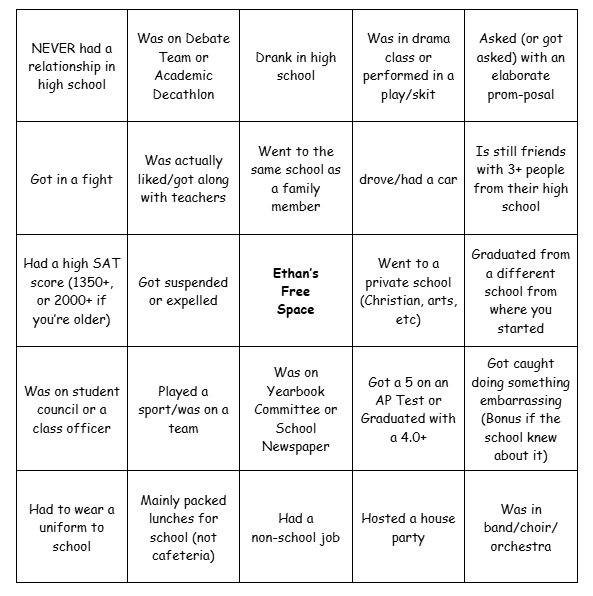
I was right. It was hilarious to see everyone else’s interpretation of the theme. I counted plenty of band tees, beanies, winged eyeliner, skinny jeans (that I’m surprised that everyone had), and a healthy swath of varsity jackets. It was all made even better when people showed the photo that inspired their outfit (or costume?). Yes, I actually had people send in their high school photos, which I then played on a looped slideshow in my living room for everyone to see. The old pics were complemented with a collaborative playlist full of Augusts and New Teens bangers. Bieber, Zedd, and The Strokes (and yes, The Killers) rang through the walls of my apartment (of which I share with three e), while guests mingled (via my themed bingo sheet) and took portraits in front of the yearbook portrait backdrop that I set up.
Both of those activities were a hit and certainly took the party to the next level. You see, I’ve been to a few mixers where bingo sheets encouraged people to chat and get to know someone new but had never instituted it myself until that night. The sheet was actually quite difficult, mainly because each bingo direction had stereotypically disparate or contrasting statements; I later posted it on Instagram, and people struggled trying to apply the qualities to themselves. In any case, it fostered a lot of fun conversations and silly stories!
As for the yearbook portrait station, I think people just love a good photobooth. There’s a reason why there’s always a line for them at weddings and bars! From toothy smiles to cheesy prom-style photos, there was always someone getting flicked up in that corner of my apartment. And yes, it was me who took everyone’s photos; I did put a tripod there with a phone holder, but I just couldn’t help myself! I think the real magic lay in the accurate backdrop and the extremely bright lights, supplied by Arthur, who is quite the storied lighting designer. We both thought continuous lights were a party-friendly choice over the big umbrella-flashed-synced doodad that real yearbook photographers used.
Before I knew it, the party was over. Funnily enough, this one ended slightly earlier than previous editions; again, I’m getting old. Overall, it was all hilarious, utterly wholesome, and completely unlike anything I had ever experienced in high school.
You see, I never had a particularly large friend group when I was a teen. Some of that was due to literally attending a small Christian academy, but most of it was just not finding the “right” group of people, the ones who were on the same wavelength. Thankfully, I’ve met some truly amazing and decidedly chalant people since then, particularly after quarantine! And while the exact list has certainly changed from year to year, I’m always grateful for those who stick around and the new ones who join the group. I almost always tear up during each party (and when I write the recap). There’s also the fact that I didn’t drink a lick of alcohol until after I graduated from grad school. In essence, this party was everything that I wanted when I was a teenager: drinks, abject absurdity, and a group of kindred souls who “get it”.
I guess it just took getting to my thirties to finally experience it!


Again, I wasn’t planning on having a multi-day birthday celebration, but when you have a shit ton of leftover snacks and drinks, adding another hang to consume the excess just makes sense. Add in the sad fact that I haven’t been to the beach in years (yes, I know I live in LA, but I’ve done more pool days than the beach), and my post-party Sunday was planned. It was extremely chill, save for when the tide came in and soaked each of my towels and tote bags. Thankfully, all electronics were saved, but I did have to spend my Sunday evening washing everyone down.
Anyway, to counteract the endearing cringe of the previous night, I chose to wear something cool. Much like John’s mess jacket, that iconic Apparel Arts illustration with a guy in a sheer tee has been on my mind for quite a bit, and this was the best day to do it properly. I actually already own a similar garm: a black cotton netted tee (likely a 90s or Y2K raver top) that I copped from eBay a few years ago. I’ve only worn it once since, as I’ve typically opted for loose rayon shirts when I’m near water, but this was the time to break it out.
I initially wanted to put it with my black gauchos for a sexy-meets-sloucy attitude, but due to the heat, I actually went with my black Bryceland’s gurkhas instead. The effect was very nice and perfect for hanging on the beach while reading one of the music-themed books I brought with me. [The gauchos were put on in the evening when it got a bit colder]. My trusty pith helmet would have been a primo choice to protect me from the sun, but the big tan hat felt like it was too “out of left field” for the chic attitude I was going for. And so, my main headwear was my cotton beret, serving as a direct shoutout to the 30s source. My small, round-frame “Gatsby sunnies” (last worn to be Porco Rosso) finished off the quirky, vintage-meets-beach-goth (not really) look.
As “Ethan” as this feels, wearing this shirt is still quite an experiment for me, since, well, I am showing a fair bit of skin! Yes, I know it was worn to the beach, but I honestly feel like with enough gumption I could wear it out—mainly to another pool day, though perhaps another summer party or a cocktail night isn’t too far out of bounds. After all, Marco has worn his fair share of netted shirts, though his physique is exponentially more toned than my Play-Doh body. Of course, I don’t like owning things I don’t wear often, so color me intrigued and challenged.
Again, it seems it takes being in my thirties for me to gain the gumption to wear a see-through shirt.
On Intellectualism

Time to finish this off with a topic that is near and dear to my heart, and fits in with the birthday spirit of self-reflection. Yes, this could have been a separate blog post (it is long), but I think it makes more sense to include here alongside my 31st festivities. After all, I prefer long, holistic things over “multi-part” content.
The impetus for this entry is my friend Rachel, who on my Monday evening birthday gleefully unveiled her present to me: two big books, one centered on Postmodernism and the other an encyclopedia of all things Roman Empire. It was her loving tribute to the person she calls the most “performative man she’s ever met”. Indeed, my IG stories are full of Rachel’s teases whenever a snippet of whatever book I’m currently reading.
While I don’t blame her in the slightest (a man drinking coffee in a suit and reading non-fiction is indeed obnoxious), it did spark some discussion with some of my friends at the table. First was a dive into what being “performative” actually means and how, despite all my reading, most of my books (or the concepts presented within) do indeed go “somewhere,” either on the pod or in a blog post, showing that it isn’t “just for show.” The second was a remark about how, if you’ve known me for years (Rachel is a new pal), you would know that I wasn’t always like this. The artsy books, the overly long essays packed with references, the coffee (and alcohol)— these are all things about me that are relatively new in my short life. Even the idea of constant reflection, bolstered by a love of reading (if I have time for it), is ultimately quite novel, something teenager (or even early twenties) Ethan never thought would be a part of my daily routine, let alone something that would be an integral facet to any of my creative hobbies, least of all, menswear.
So, in the spirit of being firmly in my 30s, I thought I’d finish this birthday article by exploring this shift, tracing how I became the world’s worst (and most annoying) pseudo-Intellectual, while also sharing some commentary on the renewed push for Intellectualism in the digital space (that includes #menswear). I’ve traced “transformations” before, but this will be something new— with a lot fewer visual examples.
[I was obviously a bit more candid about this topic within the latest pod, but in true Ethan form, I wanted more space to share my more “consolidated” thoughts. And so, here we are.]


If you’ve been reading this blog since its creation in 2015, you will know that my content, while almost always long-form (due to details/history, contemporary use, styling considerations, and a plethora of photos with captions), has always been rather surface-level. I simply talked about what I like, why I like it, and how I wear it. Sounds simple, right? But as I became more “popular” (jury is still out on that one) and older, I started to realize that this appreciation and application of clothing was rooted not just in delightful details, but in being able to express aspects of my personality and history externally, in a way that echoed my other creative pastimes that, unlike the hobby clothing, was only seen by people in my smaller orbit. This was always the case, but I didn’t realize it until I was confronted in friendly (and at times, not-so-friendly) debates that, through heated discussion, encouraged me to delve deep and explain what exactly “Ethan Style” was…and just how (or why) I feel comfortable (or appropriate) wearing what I do in the real world. It’s easy to say that I dress for who I am, but what does that mean?
Over time, I found that both of those concepts are one and the same: that Ethan Style wasn’t just a particular combination of clothes, but a philosophy toward how I live my life. But based on those discussions, which kept coming up both IRL and online, I figured out that much of what I considered to be intuitive may be seen as esoteric by others. I knew on some level since the beginning that this was the case, which is why I spent so much time explaining the general differences between period attire, but it was clear that I had to dive even deeper to get my point across. Thankfully, a handful of people were indeed curious and interested, which made me feel good about explaining “myself” as best I could, all to help those folks with a similar affinity for vintage/classic menswear, with a dash of whimsy and LARPING.
Of course, there’s also just the fact that as I got older, I wanted to be known as more than just the “suit/vintage guy who goes to Dapper Day” or “that guy who wore ties a lot on Tumblr”— that I do indeed contain a multitude (whether said multitudes were good or interesting is for you to decide). Call it maturation, a desire to break out, or just straight up insecurity, I just felt like something had to change.


It was only natural that my already long-form approach to content got even longer. Explanations of my chosen, particularly styled attire required explanations of philosophy, of mindset. Soon, I figured that, much like my use of tying all my clothing-based cues to inspo I felt kinship with (Apparel Arts, movies, artistic figures I wanted to be), my explaining my mindset would be bolstered by references. But instead of old photographs and screenshots, this would come in the form of books and essays.
Again, this was never a thing for me until my mid-twenties. It wasn’t that I was an anti-intellectual, but it was simply a fear of being considered pretentious, a real concern due to my chosen mode of attire, and to alienate people further. Plus, I was a simple young nerd who just wanted to have fun. Outside of menswear recommended reading like Ametora or the handful of Coggins and Boyer platitudes (I did read a handful of anime/comics), books just weren’t much of an interest.
It was only during the pandemic that I developed that hobby, where, at home and laid off from my menswear retail job, I was confronted with existential questions like “what’s the point of dressing up when you aren’t going anywhere?” There couldn’t have been a better time to have a quarter-life crisis. Thankfully, I took it in stride. Suddenly curious, introspective, and in need of a new hobby for distraction, but one that wasn’t about buying clothes (as my style had really started to plateau), I started foraging for reading material. It wasn’t even books about menswear or fashion in general; I was mainly drawn to books and essays on photography and classical music (my two other creative outlets). Outside of a few, I don’t think much of what I had would be a “must-read” on any online list. Almost all of it was obtained second-hand and simply found by perusing the aisles that interested me most (this, along with collecting vinyl, soon became a new pastime and all but replaced thrifting and flea markets). And despite the obvious deviance from typical menswear or fashion topics, I found so much kinship with the ideas found within the books that I took home.
In Walker Evans: No Politics, Stephanie Schwartz’s posits that the storied photographer was aiming to define the generic, a familiar conglomerate of the idea of the American farmer rather than focus on one narrative; I likened this approach to the “vague” moniker of “Menswear” that describes my daily attire and taste in clothing. Tim Carpenter’s excellent book To Photograph is To Learn How To Die revealed to me that creative acts, such as snapping a photograph, serve as a record of all of the emotions and artistic impulses we feel in a single moment; it is my hope that my own attire, from the overt genre (Western, Ivy) to the color palettes I chose, says something similar about what was in my head when I assembled the outfit— and hopefully carries over to when I wear it. Reading the extended exchange between the author Haruki Murakami and conductor Seiji Ozawa about classical music inspired me to write about Personal Taste. And most formatively, Peter Kivy’s attempt to codify musical expression helped me to realize just how much your sartorial attitude relies not just on formality, but on effectively leveraging the physical and emotional aspects of your garments— and chosen genre. [There’s also all the writing on photography, particularly by John Berger, Geoff Dyer, and even Bernard Shaw, that helped me think about aesthetic composition and holistic, emotional evaluation of a work.]
Soon it was clear that I enjoyed all of it, from the reading to the writing, the latter being forever enriched by this new hobby. That’s not to say that this new era wasn’t a challenge. It was definitely rough, both to get through a theory/philosophy/criticism-dense book and to write about whatever ideas it sparked. But it was still fun— and certainly not an empty hobby. There’s nothing wrong with reading purely for enjoyment, but I actually relished the pseudo-book reports and reflections that followed nearly all of my reading (maybe all of these epiphanies were a sign of just how small my brain was to begin with). Keep in mind that this idea of “practicality” was nothing new. After all, every garment I buy is earnestly intended to be worn for “daily” activities, even if the formality doesn’t call for it. When it comes to the film scores or classical pieces that I enjoy, techniques and references to such works are invoked directly in the music that I compose. It only made sense that the books I read would follow suit (lol). Nothing is ever just show; everything will be “used”.


Now that I think about it, I’m not sure whether it was my move to enrich long-form content that inspired me to read, or whether my new biblio pastime simply gave me relatable concepts for my Menswear. Whatever the case, it seemed that blog posts and books kept flowing, bolstered by each other.
Much like how I’m always inspired to write music after listening to a fun piece, all of those books and essays soon inspired me to write my own codifications and musings about topics I felt needed addressing: POV, Cinematic Dressing, Occasion (and self-imposed prompts), and Whimsy; I also tried to define personal style (one’s consistent techniques to express an idea/emotion/goal) and explored my love of thematic development. Much like how I’ve covered nearly every “type” of clothing I wear (capes, navy suits, brown checked jackets), I wanted to have a record of all the concepts that define my life. Clearly, these textual exercises worked, considering how, much like with music, I constantly reference them in entries made since. The self-aggrandizing conclusion might simply be that if I couldn’t put my thoughts about a garment, style cue, or overarching idea into words, then it’s just not relevant to me— or, more accurately, I just needed more time to settle on a coherent feeling. Of course, it’s not that things are set in stone; being able to reference stated ideas also provides a place to grow from or revisit when necessary. Cultural Patina!
It was only natural that I soon developed a deeper understanding and appreciation of art (this sounds arrogant, but it really is because of how much a rube I was), allowing me even more insight and nuance in how I expressed myself— in all manner of media, not just clothing. In that way, this internal push to being a bit deeper with my hobby and output, to be a bit more “Intellectual”, and certainly encouraged by the books I found myself reading, was not exactly about self-improvement, but rather, self-understanding. I wasn’t just demystifying my off-kilter approach to menswear for my readers (all five of them), but for me.
It was almost like writing all of this stuff down and tracing my references was proof that what I was doing made sense—and that someone else could potentially understand it and apply the approach (or their own version of it) for themselves. In a sense, it was also about giving a sense of legitimacy not just to my own ideas, but to menswear in general, showing that it didn’t have to be as frivolous or shallow as others make it out to be. Getting dressed could still be earnest, fun, and very personal! Soon, every article was about all of it, the clothes and the guiding philosophy. Even talking about what I wore on my birthday could serve as a case study for expression, with something to learn or apply for the future. [It was also nice to provide some non-personal basis (“thunder”, if you will], for my guiding philosophy. Much like how I explained my style cues, it seemed pertinent to provide references or supporting examples to my beliefs.]
And yes, for someone who liked to introspect for fun (without any sponsorships), wearing a suit and tie (and old hat) on a daily basis retroactively seemed to make more sense. Becoming the mask, as it were, though if you read old blog posts or scroll far on my Instagram, I don’t think I was ever trying to portray myself as a true intellectual. Hell, I didn’t really drink anything other than taro boba for years! Now, I find myself inspired to leave my house so I can read, with coffee being a treat (and fuel) for whatever book I’m reading—or the next blog post I am compelled to write. Needless to say, I didn’t expect to be any semblance of this “person”, and yet here we are.
What’s funny is that this “person” and this story aren’t anything new. In fact, this “online intellectual” is perhaps the newest type of content creator class, with their constant deep dives, philosophical applications, and lengthy, perhaps even controversial diatribes permeating the digital landscape. I was just a drop in the soup!
It is true that menswear content is not, nor has it always been, all overly practiced GRWMs, cop/recommendation lists full of affiliate links, or platitudes full of meaningless buzz words (“slouchy” or “intentional”). There is a subset of menswear content, or social media in general, that actually embraces a long-form medium, with more considered rhetoric and an Intellectual, or at least cultural, lean. You have no doubt seen it, exemplified by the rise of Substack, its writing-focused platform adding a sense of prestige to its users, who range from independent journalists and authors to capital “I” influencers.
As I nodded to earlier, long-form writing brings premium flair to a creator’s ideas, whether heavy or absurd, thanks to the perceived effort it takes to produce, hinting at deep thought and adherence to organized structure. A similar attitude applies to the prominence of video essays, which allow creators to blend considered thoughts with compelling editing and, quite obviously, visual examples; the combination lets creators showcase creative talent and personality in addition to their musings. After all, long-form content tends to require references (history, publications, or hell, even movies), which is hard to leverage easily; you may as well consume some culture if you want to create something that isn’t a quick photo+caption or 15s TikTok.
I’ve talked about this shift within the menswear space a few years ago, and at that time, I was quite hopeful. I felt that this intentional shift to long-form content, from both content creators and Audiences, seemed to display a longing for curiosity, effort, and personal expression— qualities that were forced to be dormant in favor of sponsorships, free clothes, and clout. If anything, a long piece of content didn’t exactly adhere to the Optimization/best practices attitude that plagued social media. In any case, long-form functioned as a Influencers/Content Creators to show that they were indeed more than just a billboard; they too are full of thoughts and opinions. And whether it was a historical deep dive, a cultural take, or an opinion, long-form output seemed to legitimize both the creator and the audience, helping each side feel that they weren’t just mindlessly cruising the digital seas.
[Yes, I have a loose definition of what I consider to be “intellectual content”, but honestly, anything considered with references, reflections, and theses all count! It’s better than just banal lists of cops and trends.]
Some of the best and most compelling creators, such as Rian Phin, started their online career guns blazing, sharing deep insight and critique (largely of designer fashion) in an accessible way right from the get-go. Derek Guy was already famous for how his blog posts melded menswear advice and journalism with history and cultural commentary; he’s become a frequent op-ed writer and podcast guest the world over for that very attitude. Frugal Aesthetic has been showing for years that fashion insight and advice can still be funny, affecting a slouchy, semi-anti-intellectual attitude despite his witty analysis, all on Youtube; Blackbird Spylane did something similar, just in writing People like Percia and Tom Hoy have emerged on the scene (or at least came across my feed, which is quite insular lol), with videos and articles, respectively, that seem much more insightful than the media that plagued #menswear in the past. Even Permanent Style’s recent posts, from both himself and various guest contributors, have included cultural and philosophical inclinations; Simon’s article on the “Menswear Merger” phenomenon is one of my favorites and is quite different from his usual coverage of bespoke and artisan clothing. It was only natural that other creators would follow suit; even Edgy Albert, LA’s resident menswear king, has made some rather compelling videos on YouTube. [It gets even better when you look outside of fashion; Hannah Glenn regularly produces wonderfully insightful work, blending critique with everyday musings.]
Whether it was about discussing intellectual pursuits full time or incorporating them into your existing content, a new genre of content creator had officially arrived, dubbed by Vogue as the “Bookish Influencer”. And much like how regular people’s content tends to follow the precedent set by creators, it was no surprise to see non-influencers also get in on it. People all over were joining book clubs (in addition to run clubs, which replaced pickleball), shedding short jokes for insightful commentary on Letterboxd, and even starting their own casual Substacks. Overall, it seemed the digital landscape was getting a bit more studied, a bit more Intellectual and Cultured. Creators were proving they were more than interesting and multifaceted, and audiences met them with curiosity, ultimately becoming learned themselves. Copland might have been proud!
Content was entering its “thirties” era, and things felt good. Well, for a while. The internet just had to ruin everything, thanks to its predisposition for reductive aestheticization, promoting fleeting fads, and, perhaps most concerning, a way to reframe everything to be about clout and status. Perhaps the long piece, intellectual/enriching attitude that I’ve come to enjoy was soon set to become just another form of influencer slop.


Some of you who are in the same Discords as I am may have heard my concerns before; it is true that I’ve been venting about this for a little while now, but have never fully covered it or addressed my own participation in this phenomenon.
I struggled with how to put my argument down until I read this article from SSENSE, shared with me by Zeometer, a patron of the pod and an exceedingly stylish and well-studied individual. In the piece, writer J’Nae Phillips speaks on how aspirational online content has shifted from fitness, luxury, and lifestyle to, well, intellectual/cultural/philosophical omnivorousness. As I surmised, Phillips attributes this shift to a fight against overconsumption, AI slop, and general brainrot from short-form, easily consumable content. The popularity of Predictive History, a channel of Jiang Xueqin’s lectures on a myriad of dense topics, is a great example of this phenomenon. Who would have thought that recorded classroom videos on Dante or Gay Talese would get over 100K views? Surely that’s something to celebrate! However, I couldn’t help but shake my cynical, perhaps self-critical thoughts. Neither could Philips, nor the other intellectual-content creators cited in the article.
After all, being (or at least striving to be) an intellectual in any way is a status symbol in itself, or at least brings some cachet. Much of it has to do with the perception of leisure, which you would certainly need plenty of if you want to tackle (and internalize) a dense book (bonus points if it’s non-fiction but not of the self-help variety), watch an old, foreign language film (subtitles are another thing to read!), or, hell, undertake a long video essay. And in a digital world saturated with hustle culture proponents and aggressive fitness accounts, it can certainly feel “cool” to remove yourself from something so externally pragmatic in favor of improving yourself internally— especially when it involves being offline. The rub is that you still need to be online to share that aspect of yourself, a scathing but pertinent point.
A handful of other writers, such as The Second Glance, echoed similar concerns. Over the past year, they’ve released excellent articles that detail the emergence of this [relatively] new age of digital Intellectualism, balancing analysis with gentle critique.
In a June 2025 piece covering the “Literary It Girl” phenomenon, the author covers details the positives of how reading can help shape identity and bolster a community full of engagement, creativity, and critical discussion (all important things in a consumerist culture), while being cognizant of the social cachet of books (as a marker of luxury and leisure), turning a pastime in to an aspirational persona leveraged by new, and existing, influencers. This specific type of creator, the Literary It Girls, were rightfully leading the charge against the tired forms of shallow social media, but it was clear that this was only the beginning of a wider cultural shift.
A month later, the author dived further into the “aesthetics” of Intellectualism, citing how books and critical thought, both physically (curated bookshelves) and internally (what you read/think, all shared on the internet), have been commodified into a discernible and invokable brand. And while a lot of good has been done in democratizing the components of being cultured and intellectual, the high visibility of the internet presents a danger of being performative. I particularly love the closing of the piece: “[I]ntelligence is no longer a quiet trait. It is a performance, an aesthetic, and a branding tool. Like any brand, it reflects our values, hierarchies, and aspirations. And as society increasingly rewards perception over depth, the question morphs from ‘Are you smart?” to “How are you packaging it?’”
The author’s apt insights culminate in The Rise of The Intellectual Influencer”, where The Second Glance marks the adoption and invocation of Intellectual pursuits not just by It Girls or big influencers, but by content creators of all genres and sizes. It’s also clear that aspiration is key: after all, the ability to not only sit through a foreign-language film or a dense book but form a structured opinion about it is the mark of leisure, and by extension, a certain social class. Again, the dissemination of ideas and encouragement of critical (and philosophical) discussion is a positive one, but in just a few short months, the format has been completely optimized. “Ideas are no longer judged solely on their substance but also on how well they can be packaged for virality.”
I agree entirely. Not only is this reductive and “risks reducing the richness of thought”, as stated by the author, but it can also serve to temper curiosity by removing the process entirely: why put in the effort to forge your own intellectual path when shareable platitudes and recommended readings can be served to you via the algorithm? Of course, this brings us back to aesthetics, which factors heavily into what does indeed get “chosen” for visibility in the feed—and positive regard in the minds of the audience.
“Think of the influencer speaking in front of shelves lined with books, the minimalist workspace suggesting discipline, or the adoption of fashion choices that subtly signal ‘smartness’ through a black turtleneck and a pair of glasses. Lighting, font choice, and even camera angle contribute to an aura of authority. The performance of intelligence becomes part of the message itself. Displaying intellect on social media is now as important as being an intellectual. This, of course, raises questions, whether viewers are engaging with the ideas and concepts or the presentation.”

Performativity seems to be what Second Glance is referring to, which I see as the meta-esque leverage of colloquially recognized tropes to invoke a connection/attention with an audience, whether its an existing following or a random passerby. Nothing is inherently wrong with this, as leveraging commonly understood semiotics is how genres and subcultures are created (and referenced), leading to how we choose to express ourselves across all manner of outlets (fashion, music, art). There’s also the fact that deriding cultural pursuits (that also happen to be aesthetically considered) as performative is indeed reductive and only serves to dissuade people from enriching their perspectives.
However, I believe there is indeed something wrong when such ideas or interests are held only shallowly, with their invocation done only in pursuit of financial or material gain. This has already happened with physical items considered to be “good” or “high” taste (see “tasteslop”), but we are already seeing it with how people share and engage with books and concepts. We’re taking something personal (like reading) and putting it out there in order to be well regarded, not just to our immediate circle, but for the entirety of the internet. After all, most posters on social media are simply temporarily embarrassed influencers, waiting for that lucky viral moment— or at least a brand deal. For such people, sharing your intellectual pursuits is just another way to ensure that you aren’t left behind in a world that is rapidly becoming skeptical of Influencers and content.
While I don’t have much experience with general Influencers/creators (I’m not on BookTok and I only follow a handful of Substackers and video essayists), I have certainly seen this shift take place in the menswear scene, both from newcomers and existing personalities. I’m not going to provide hard examples, but you guys probably already know what I’m talking about.
Rhetoric around intention and taste begins and stops at their literal word inclusion, with creators straight up refraining from any explanation of why a certain garment or style works for their desired POV in favor of some easily shared platitude— that you can later use as audio for your own fit check to show that you too are following intellectual suit. [I wouldn’t be surprised if some easily shareable truism about the appeal of Ivy-trad wasn’t AI-generated] A renewed push for classics and heritage over fickle trends (its 2008 all over again) are now packaged with some quotes from Debord’s Society of the Spectacle, though their next entry is yet another list of items from Uniqlo (or Buck Mason) that you just can’t sleep on. The affiliate link can’t be that bad; the creator is critical of the world!
Even the use of academic framework, likely a carryover from techbros dictating culture and the yearning for classroom settings (as posited by Philips in the SSENSE article), is done for monetization. Creators will undertake “experiments” (overall styling or trying a new garment), citing exploration and introspection as the impetus for the trial, only for it to begin and end as a piece of content (negative points if it’s sponsored). And despite such experiments, nothing seems to be carried forward with them, at least, not long enough to gain Cultural Patina. Like the books they reference, it goes on their public bookshelf, allowing them to be seen as someone who likes to experiment and undertake a challenge. [If only they could literally resell those ideas back to their audience, like those gifted suits and shirts that they only wore once and now need to unload.] You’d also be hard-pressed to find any reference to existing menswear media that came before, such as the long history of still-useful guides and forum discussions. After all, links that take you away from the creator’s page are superfluous and unpaid advertising; plus, the creator’s insightful content should always purport to be original to maintain that Intellectual persona (“Keep following for more!”).
With all this performativity and the adoption of aesthetics for higher regard, it’s almost like Beau Brummel has returned, just with playing up the perceptions of your intellectual prowess instead of simply editing your attire. At times, it can almost feel like this pseudo-intellectualism serves as the only way to justify being into clothing, bypassing any semblance of emotion and personal affinity. And then of course, the lucky creators who break free from the slop are rewarded with free items and even paid sponsorships for their efforts, making you wonder what exactly the point of the masquerade was to begin with. If anything, it all hints toward the unfortunate conclusion that even the undertaking of intellectual enrichment and critical thought is only meant for buying clothes and monetizing your audience (named the community).
[Of course, who’s to say that my content is actually any better than theirs? My blog posts may actually be considered worse simply by how self-centered and ultimately useless my writing is. Riding boots and capes never caught on!]
Second Glance acknowledges this melding of Intellectual Aesthetics with monetization and optimization with genuine concern: “If thinking deeply is no longer the goal, what becomes of the very idea of intellectual growth? And if audiences mistake curated performance for genuine insight, how might this reshape collective understanding and cultural memory in the long term?


I’ll admit that I do not know what will happen with this trend of Intellectualism. I can say that I don’t care, as it doesn’t really affect me, but as someone who still ends up being earnest and positive, I can’t be completely cynical. Not that I’m worth listening to, but I do have a recommendation for all of us as both consumers and creators (not in an Influencer sense, but in a “we are creative every day” sort of thing): critique and application.
We should always evaluate just what we are meant to take away from an idea presented to us, whether it’s from a book or a content creator. And better yet, we should also look to see if the creator themselves is also using the concepts they’ve consumed or discovered. Evaluating their application is a great indication of whether these Intellectual pursuits have borne any fruit, or if they’re just “opinion-slopping” (sharing a hot take or empty insight for engagement) or “taste-washing” (leveraging items with taste for pure aesthetics) to mask their capitalistic inclinations. Granted, such things do take time to arise (I’d also be skeptical of someone growing too quickly), but it’s good to keep in mind as you consume.
Of course, we should also be free to test our concepts ourselves, ensuring that, like a garment that catches our eye at a flea market, such ideas are actually useful in our lives. Not in a practical sense (no need to be too techbro about philosophical concepts), but in an enriching one, as deep concepts should positively add to how we view the world and what we do within it. As Jiang is quoted in the SSENSE article: “[I]magine facts as furniture…truth is the mansion.” Yes, like furniture or clothes, ideas can certainly be “displayed” to impress and signify taste, but I believe all of it should still be personal and ultimately useful. My midcentury chairs are there to sit and read, my patchwork quilt keeps me warm, my records are played often; nothing is there to only impress a guest.
[On that note, Derek Guy and Avery Trufelman seem to have started a new podcast that is all about taking philosophical topics and applying them to menswear/fashion. Now that’s what I’m talking about!]
I feel strongly about all of this because I truly believe that Menswear and a healthy dose of Positive Intellectualism are a match made in heaven, enriching one another to avoid either of them becoming empty, a quality that keeps happening to nearly every pastime. From the get-go, this hobby’s blend of Performance and historic/classic clothing is utterly fascinating, as participating in it reconciles our struggles for earnest personal expression with a need to belong and be understood across a variety of IRL and digital spaces. It’s also done in real-time and on a daily basis, marking it different from fine art or music. But in a way that is similar to such creative endeavors, menswear gives us the opportunity to explore our “expressive lineage”, tracing our chosen style/POV against all of the references that built our taste, from fictional characters and menswear personalities to family members and even favorite works of art. The decisions behind getting dressed are simply our daily attempt to understand ourselves and who we want to be and what we want to celebrate!
I don’t think that everyone needs to become an introspective menswear writer or that every book you read, from fiction to non, needs to have a book report. [Apply that point to anything you can indeed consume, like movies, TV, or plays.] But there is something to be said for reflection and having a place to put it—especially if you make a big point about sharing the Intellectual things that you consume. It’s more about taking the opportunity to dive into the things you enjoy and just see what you can learn about them and yourself. After all, writing (to which I’ll expand to sharing ideas) is now considered a radical act in a world full of slop generated by brands, influencers, and AI. It’s sad, but fun, which makes it all the more important to keep doing!

Now, after six years (and at age 31, yikes), these intellectual introspections, which are honestly more like rambling diary entries with biased observations, are indeed the main output. I never thought that would be the case, but here we are. Even wild experiments like capes and riding boots are only written about after they are considered and “tested” and aren’t treated like scrollable slop. Because to me, the whole point of Intellectualism is to explore curiosity, an exercise in gathering the tools needed to better understand ourselves and what we do. It’s only natural that these activities have honed my taste, POV, and expressive activities across all mediums, mind you, not just clothing. I mean, I certainly hope that, in addition to my fits, my photography and compositions have also “leveled up”!
But that’s the best part: the journey is ongoing. Much like how I approach menswear (getting dressed, I mean), Intellectualism is meant to continue with you, pushing you toward the next book, the next idea, all in pursuit of how we interact with the world and our thoughts. An earnest approach to Intellectualism is all about being critical in how we consume culture and create, meant to encourage us to have a deeper connection and understanding with everything one may encounter in this world. Earnestness is the operative word here! While such a quality is seldom interesting enough to catapult you to fame or hell, it doesn’t automatically mean you are worth a follow (earnestness doesn’t equal endearment); that isn’t the point of it to begin with. At the very least, it shows that you can engage with the world in a meaningful way, and that not everything we share or produce needs to be in pursuit of clout or money.
I’ll admit that the sentiment is saccharine or perhaps naive in this uber-capitalist world; I think the rise of Intellectualism does indeed reveal something positive about consumers. After all, even with their concern and critique, The Second Glance remained quite positive about the future. In each of their entries on this phenomenon, the author reminds us that this content phenomenon comes from a real place, that people are indeed hungry for engaging and enriching media. It’s never too late to do it for yourself, whether it’s about reading critical media or, if you are a content creator already, shifting your POV to be a bit more nuanced and curious— with room for application. After all, it took me until my thirties to get to this point. But honestly, I wouldn’t have traded it for anything. I almost feel like who I always wanted to be, and not just with clothes.
All I needed to do was pick up a damn book—and write about it.
[Though I will say, reading pretentious books which leads to writing dumb ass articles does indeed cut into my anime composing time.]
– end of blog post –







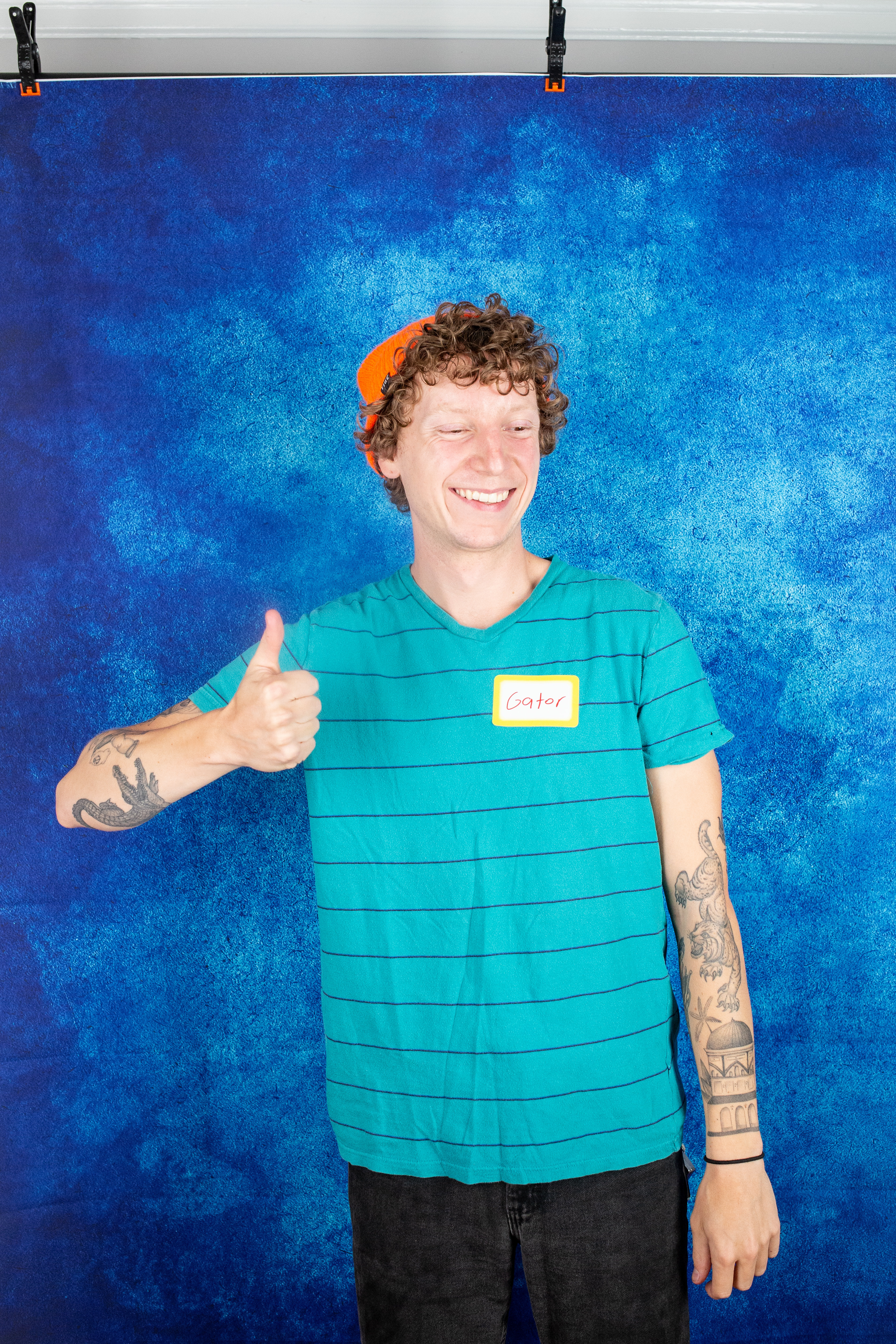




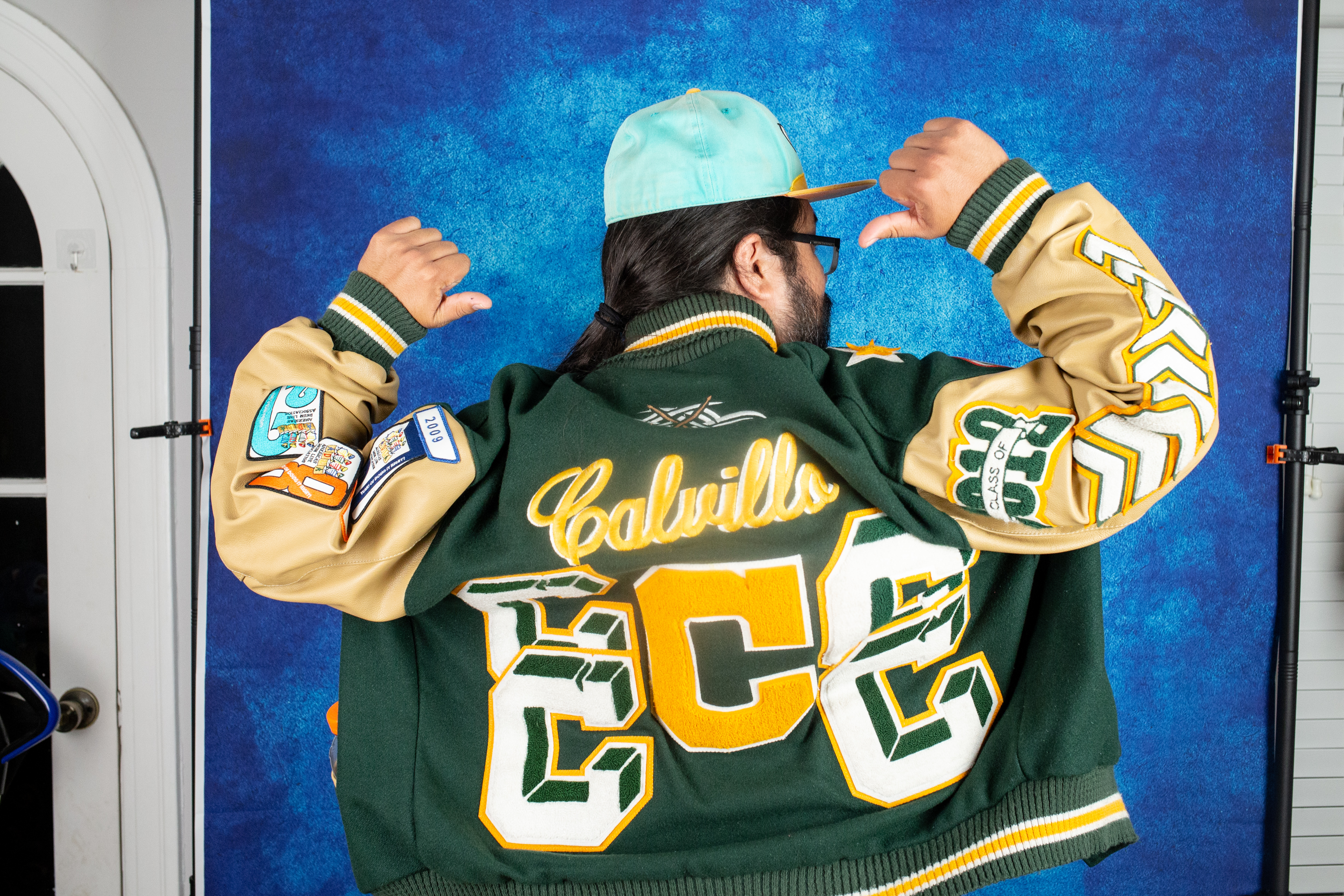

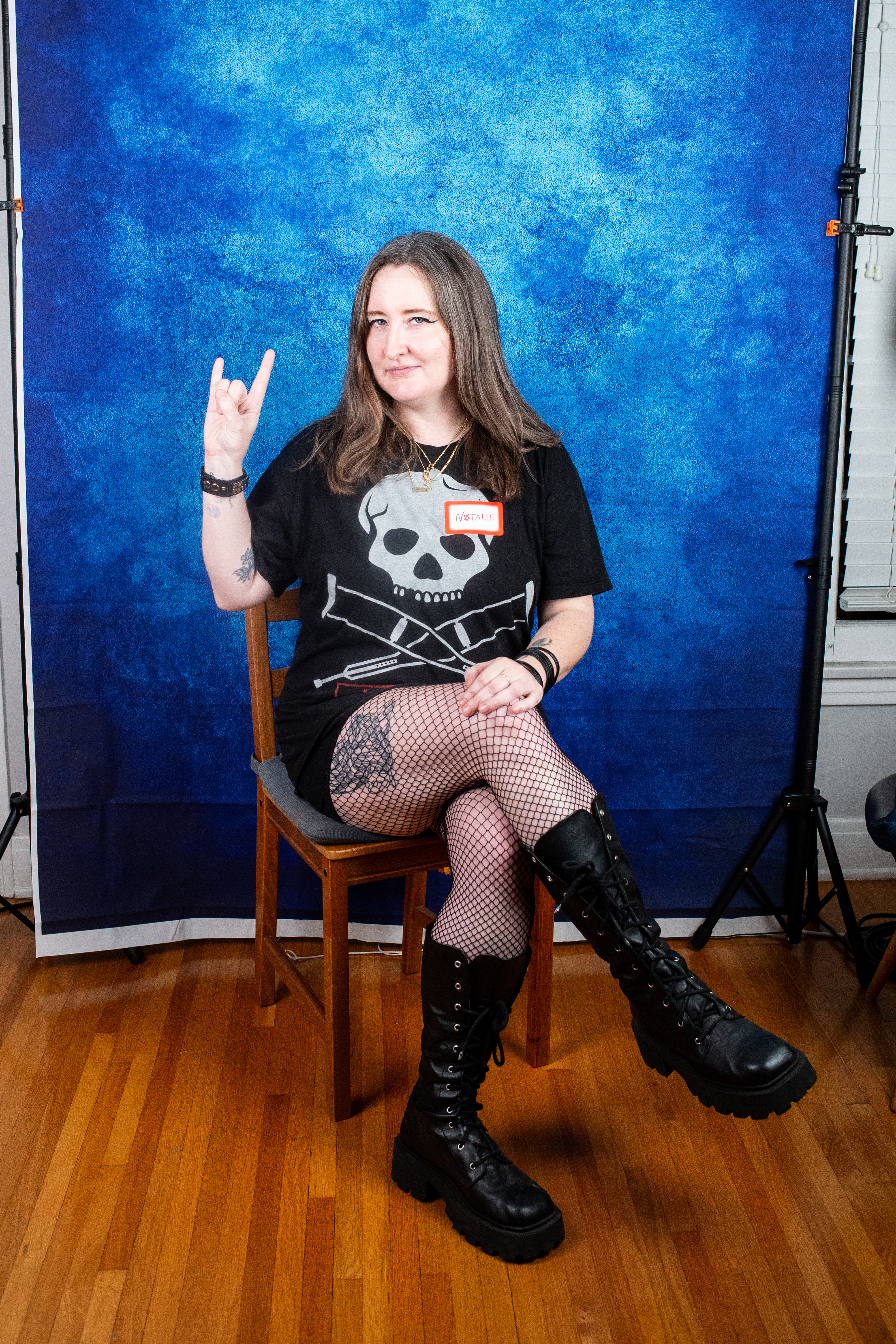

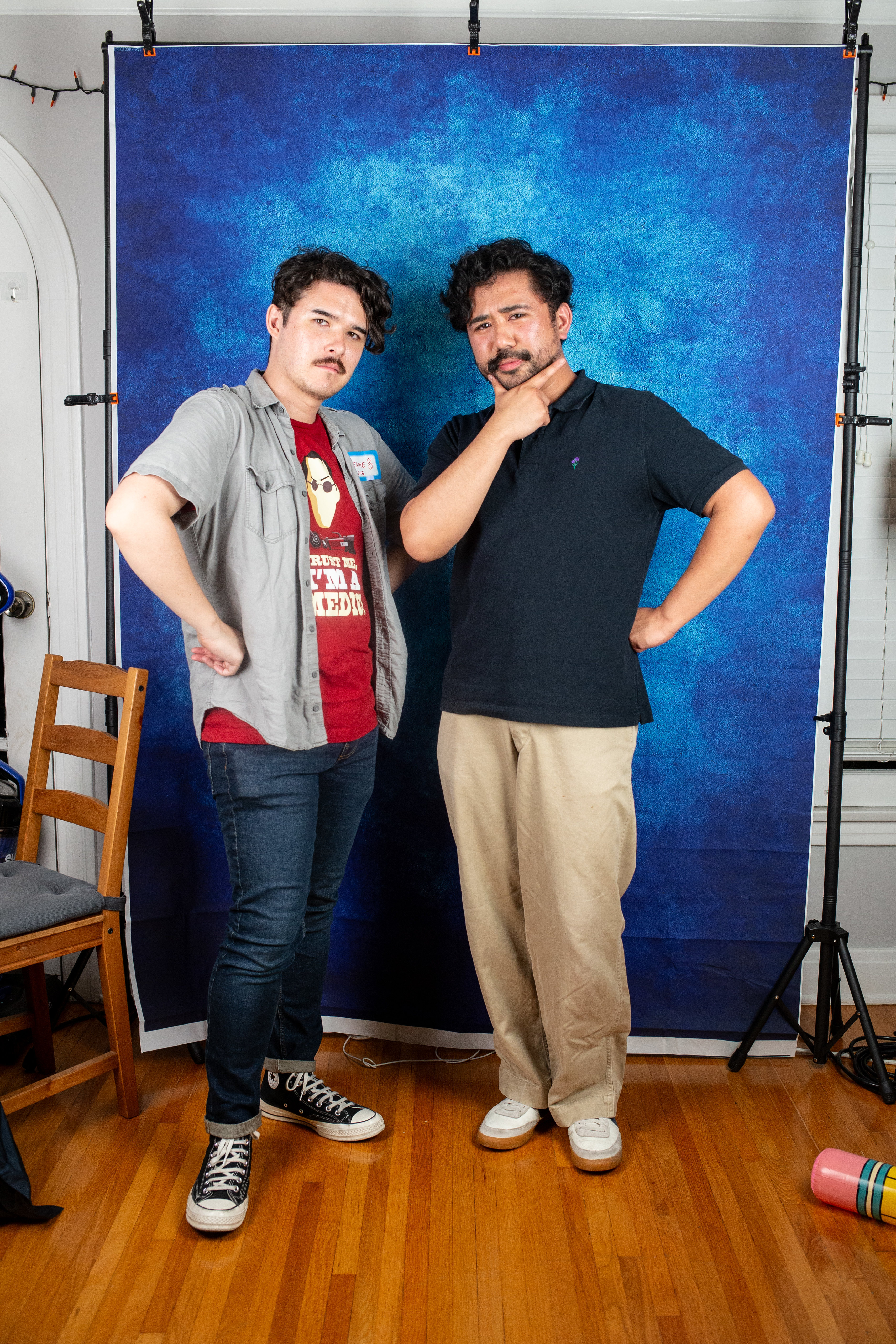
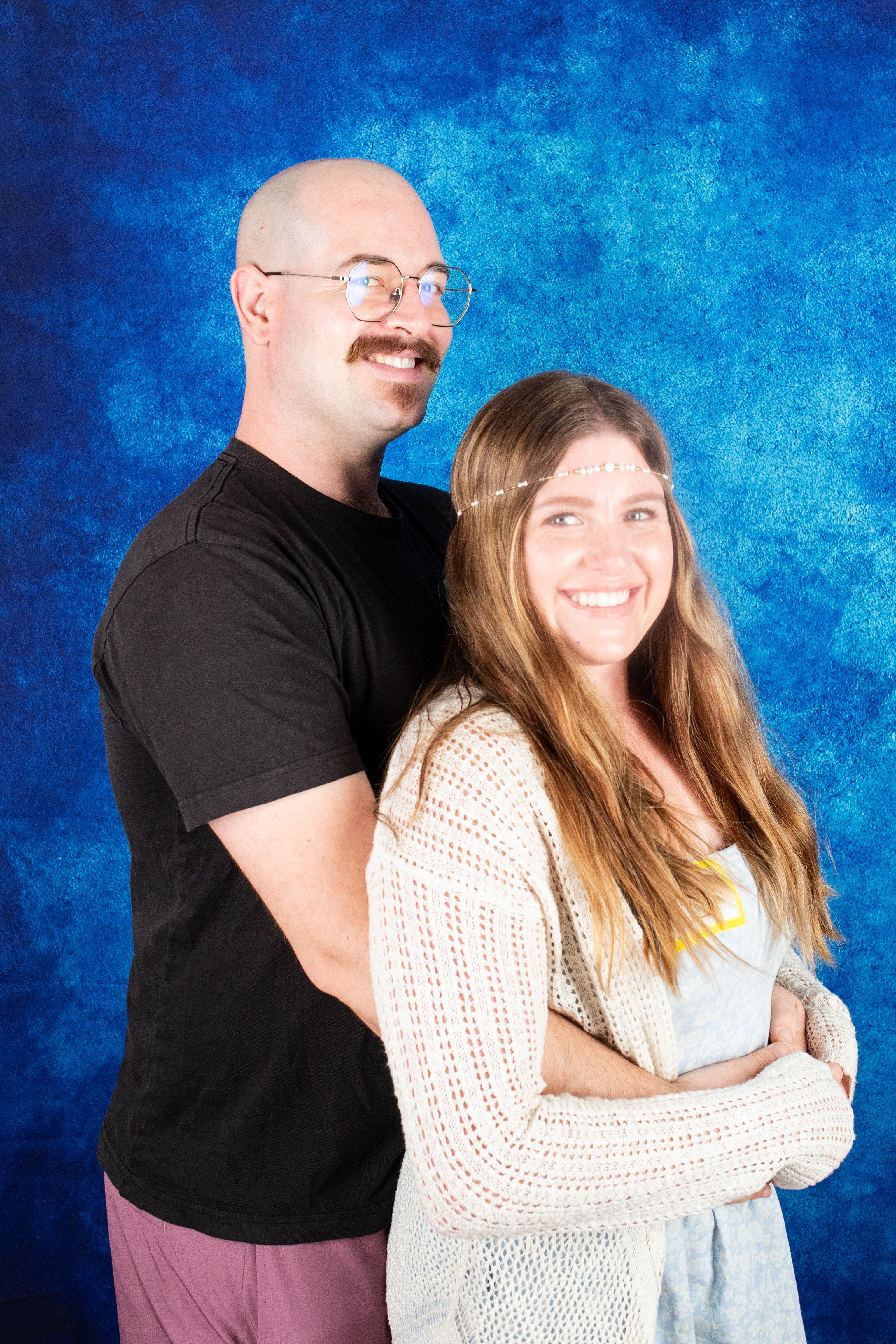
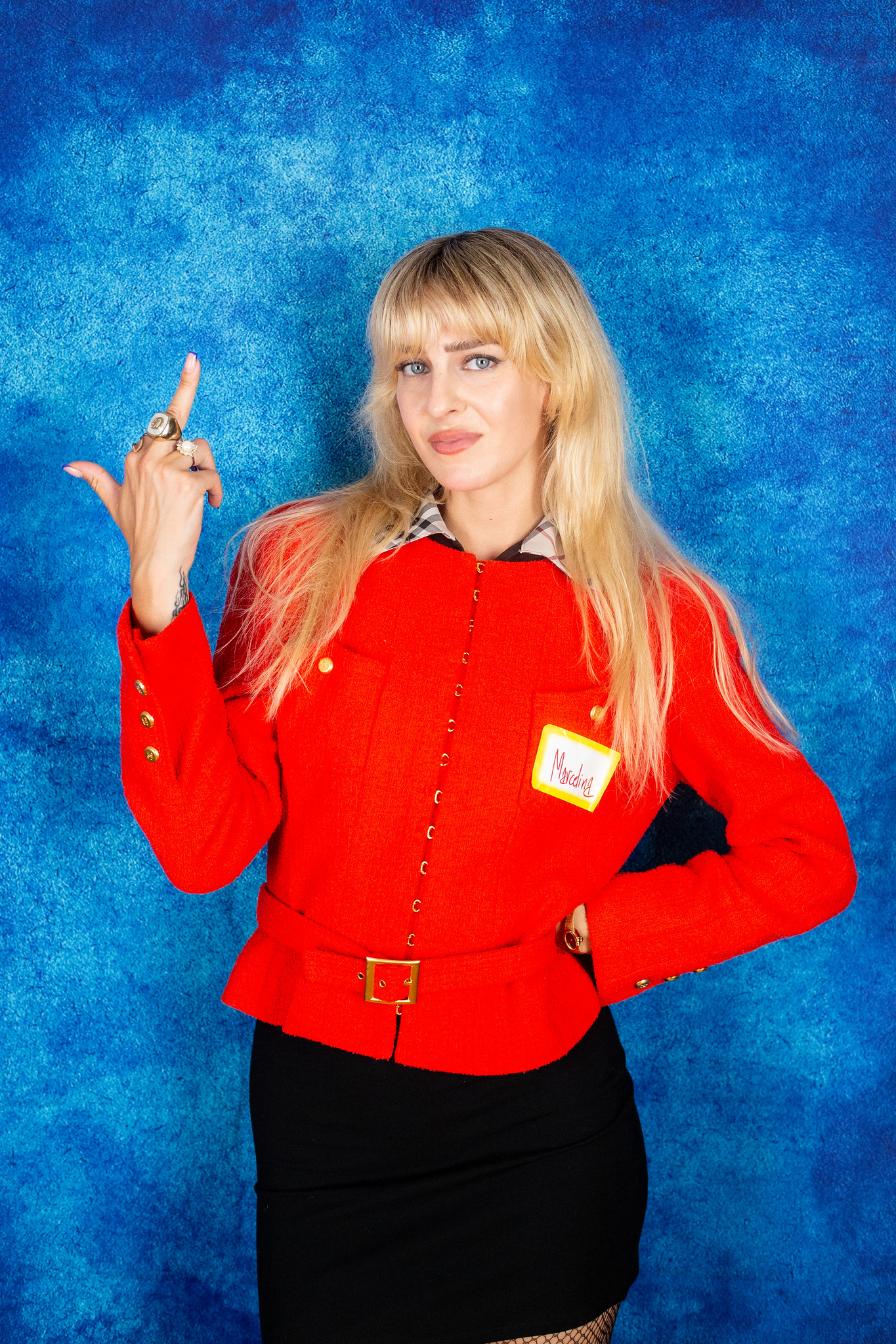
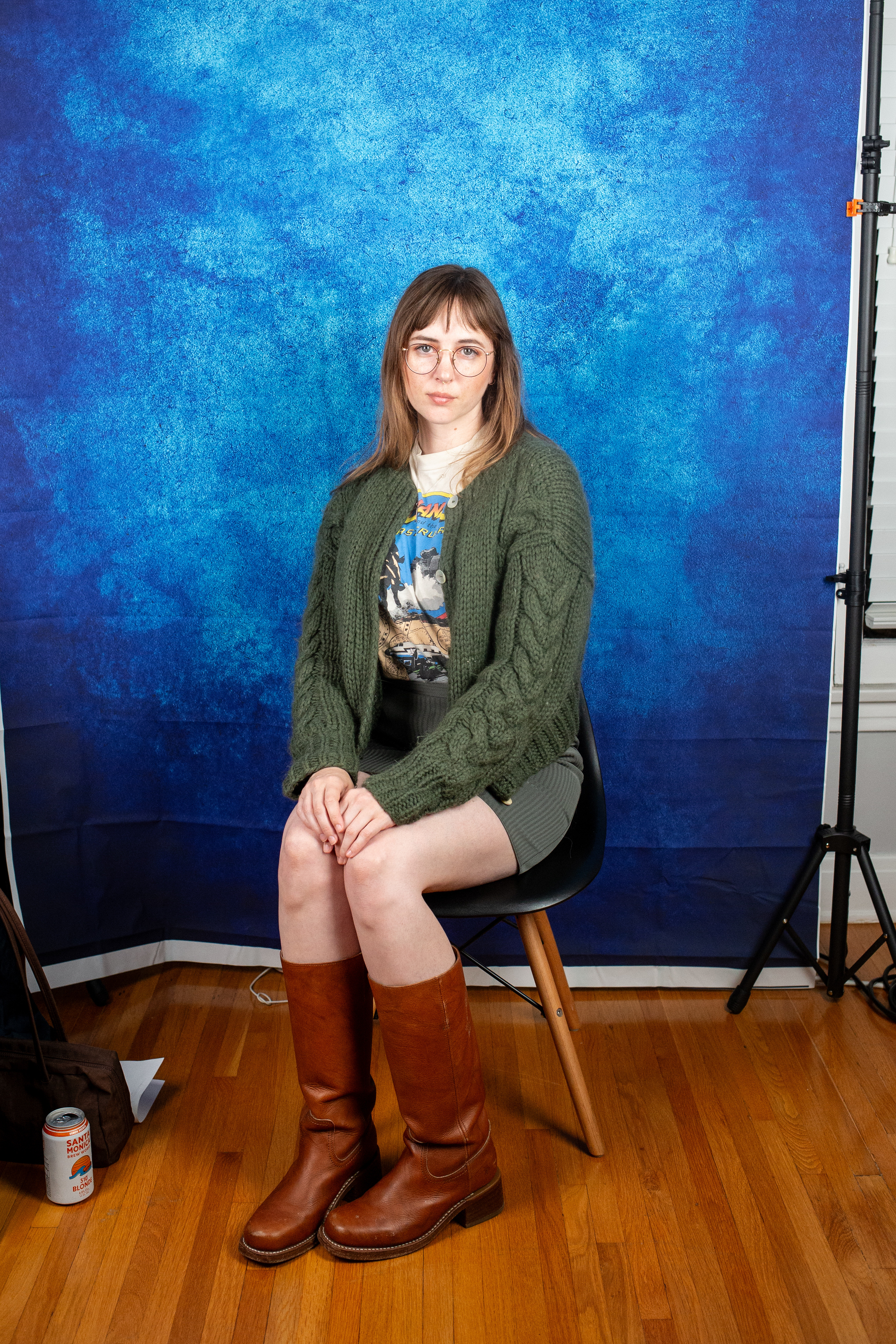
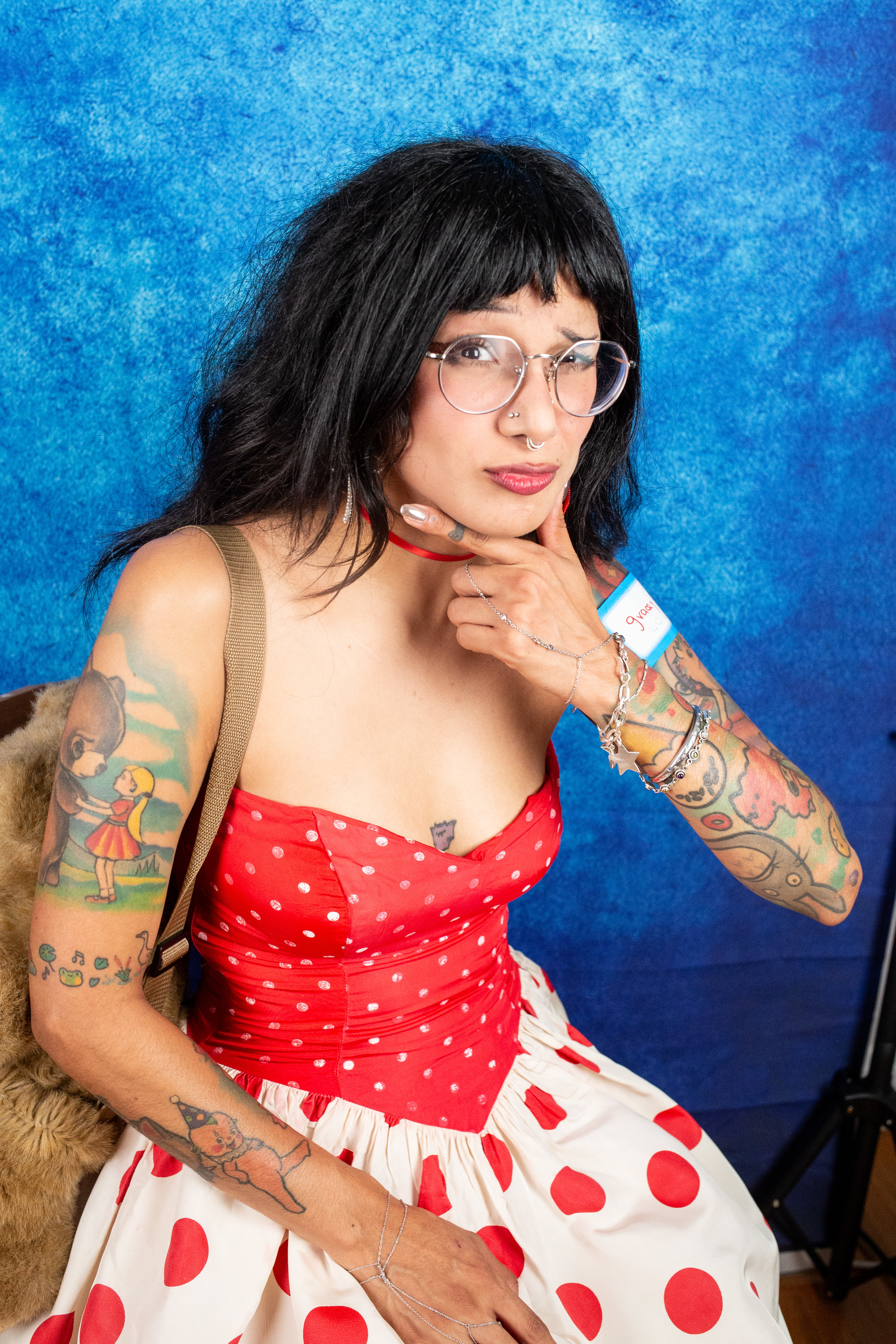
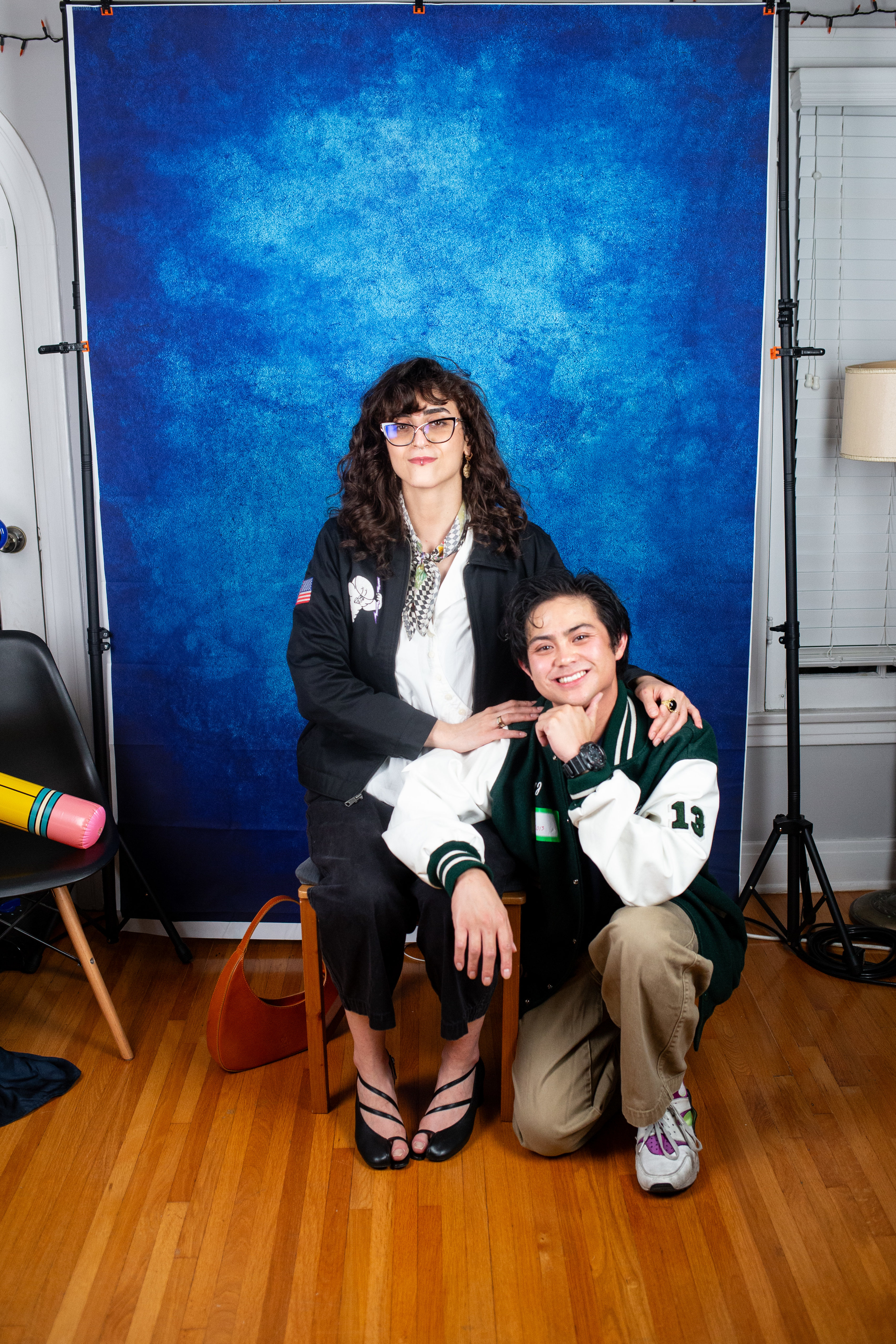
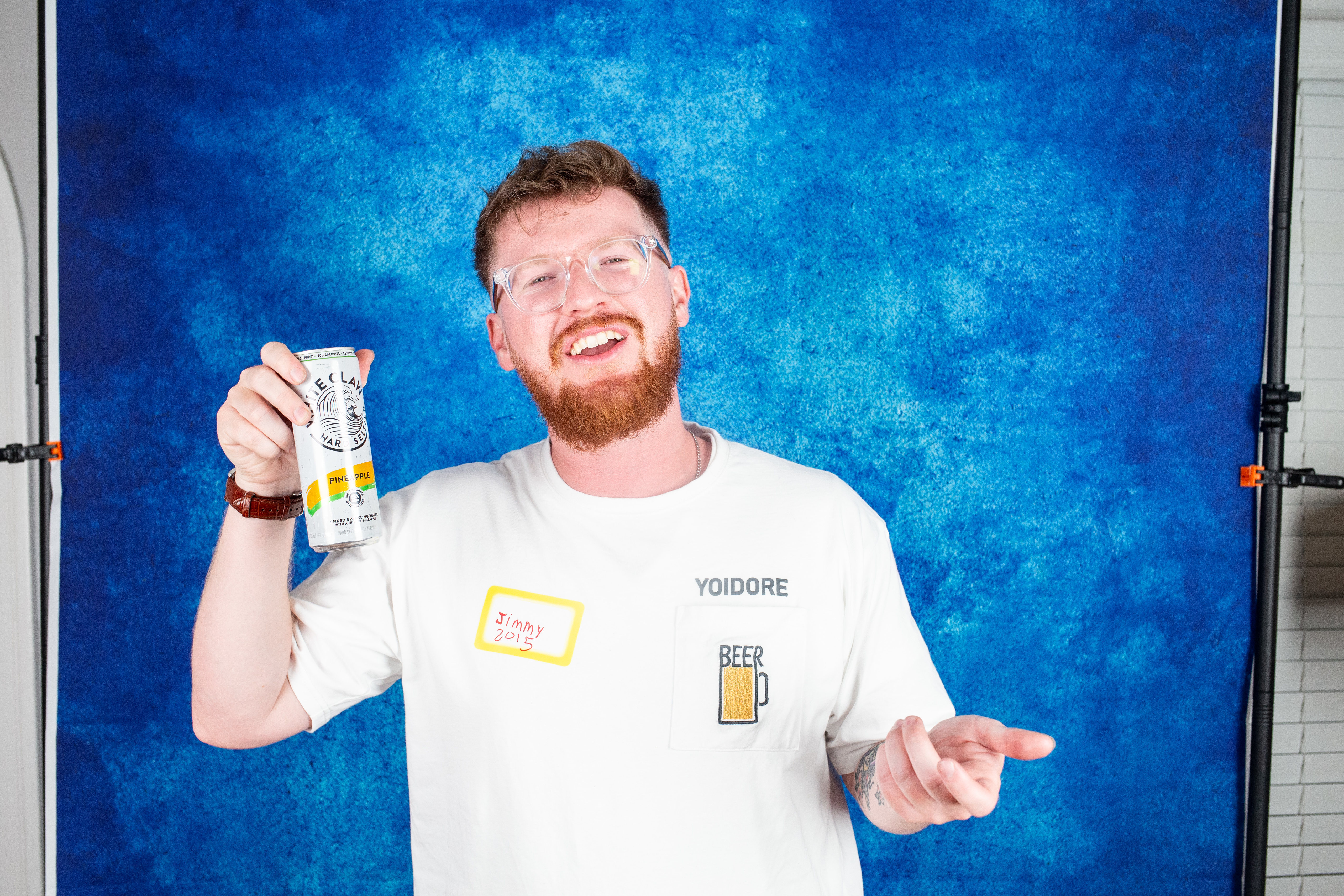






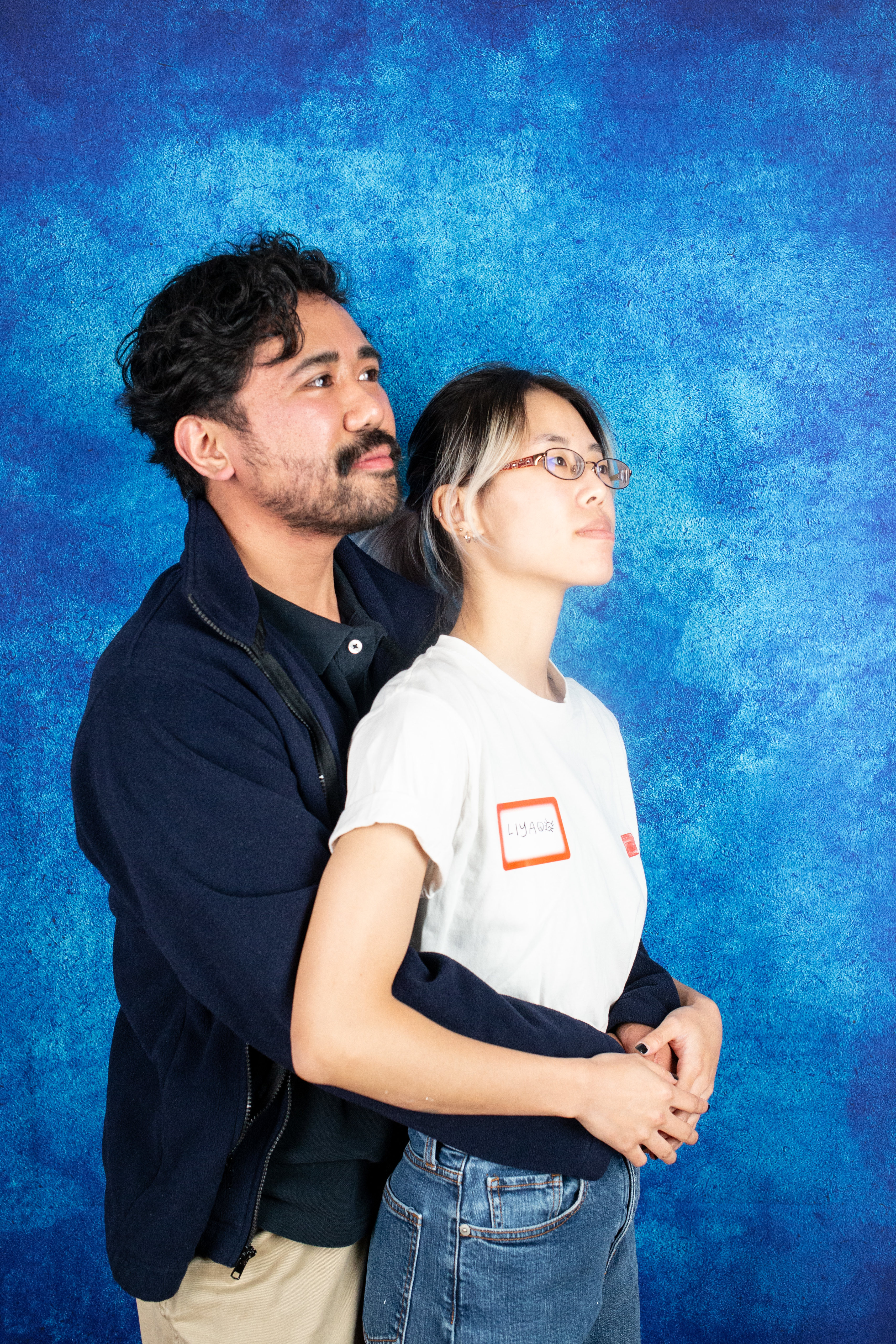






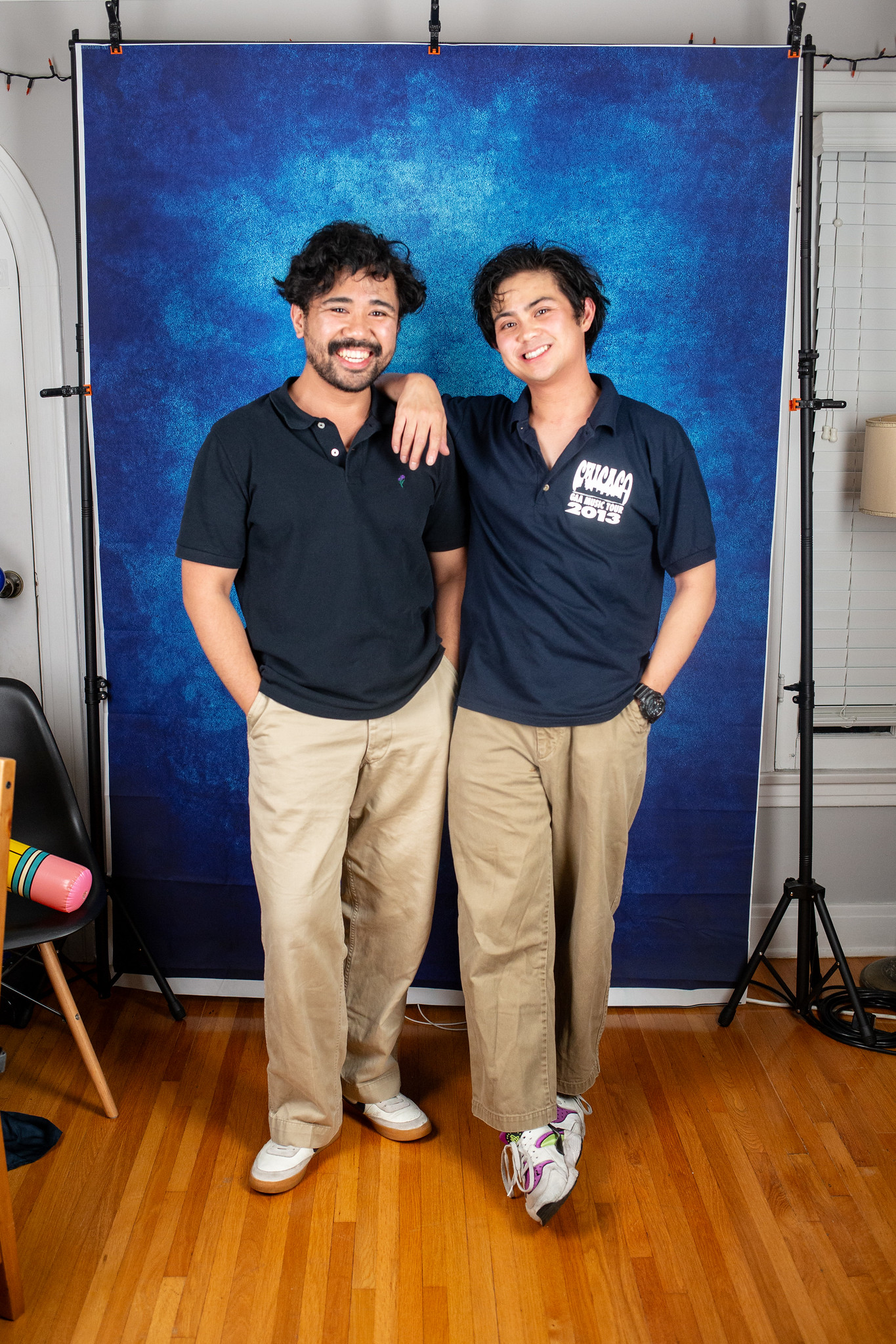
Tap through the gallery to see more fun yearbook pics!
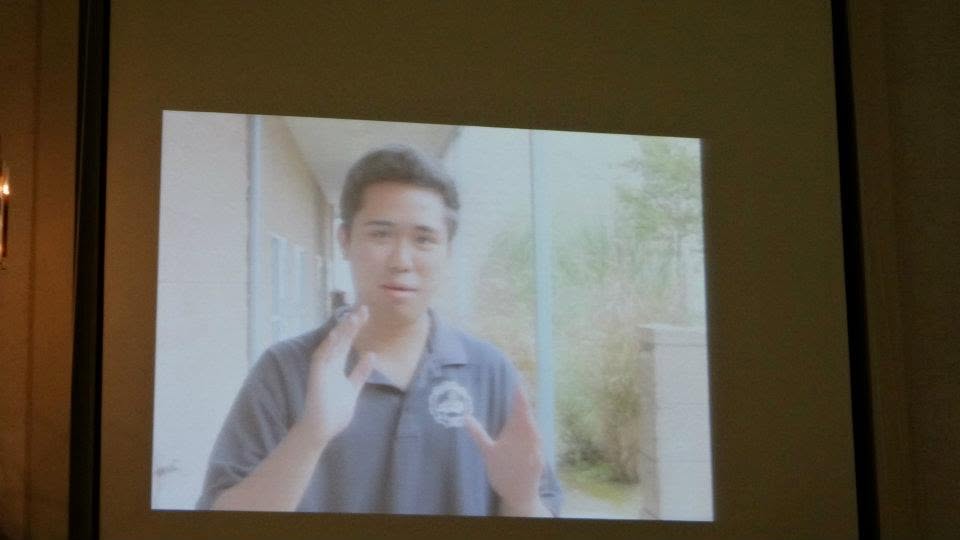


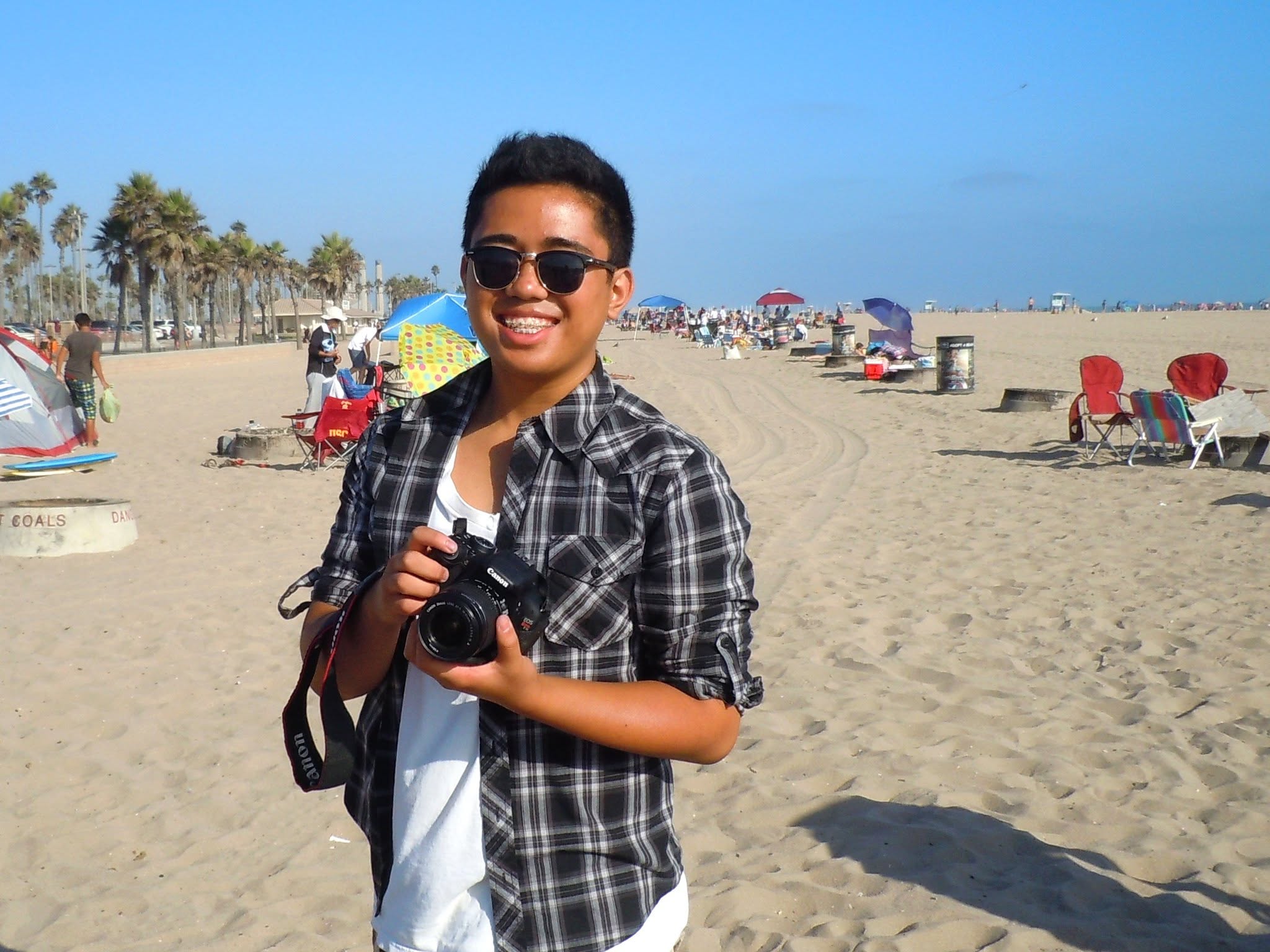


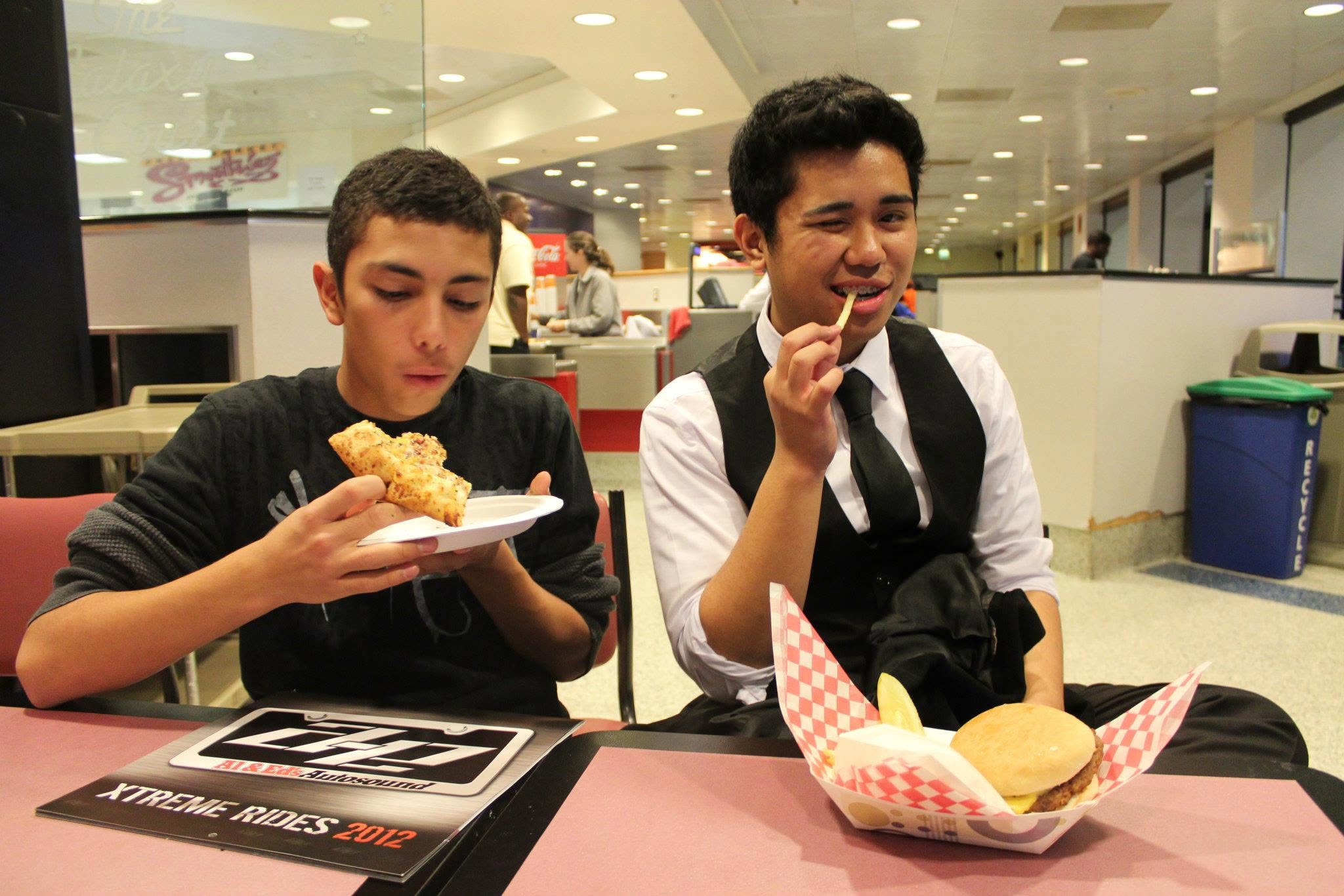

You can also see more high school ethan above lol.


Thanks for listening and reading along! Don’t forget to support us on Patreon to get some extra content and access to our exclusive Discord.
Always a pleasure,
Ethan
Big thank you to our top-tier Patrons (the SaDCast Fanatics), Philip, Shane, Henrik, and Mason.


One comment